First-Hand Tests
- Every bike assembled, measured and ridden by our tester
- Learn How We Test Bikes
Latest First-Hand Tests
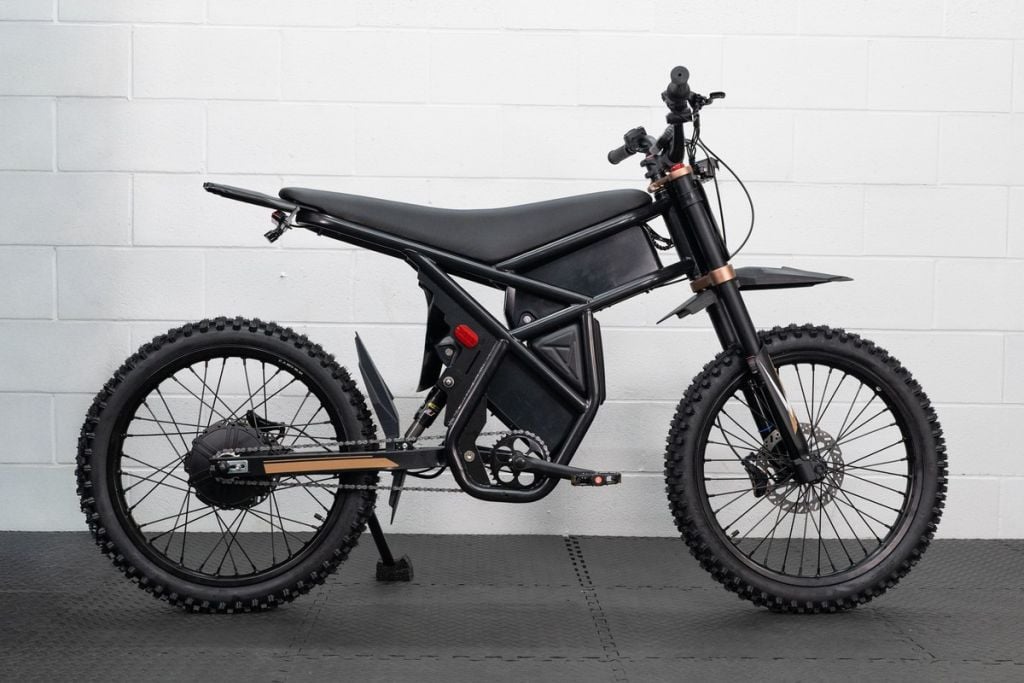 70
The Riding'times GT73 Pro is a 120 lb, motorcycle-style electric bike with a 1,500W hub motor and two batteries. It cruises comfortably at around 25 mph on smooth dirt roads and fits adult riders well. But it topped out at 38 mph against a 50 mph headline, covered 36.25 miles of a claimed 85, stalled on short, steep off-road climbs, and bottomed out its suspension on hard hits. It falls well short of its marketing, and it's a hard sell, even at this price.
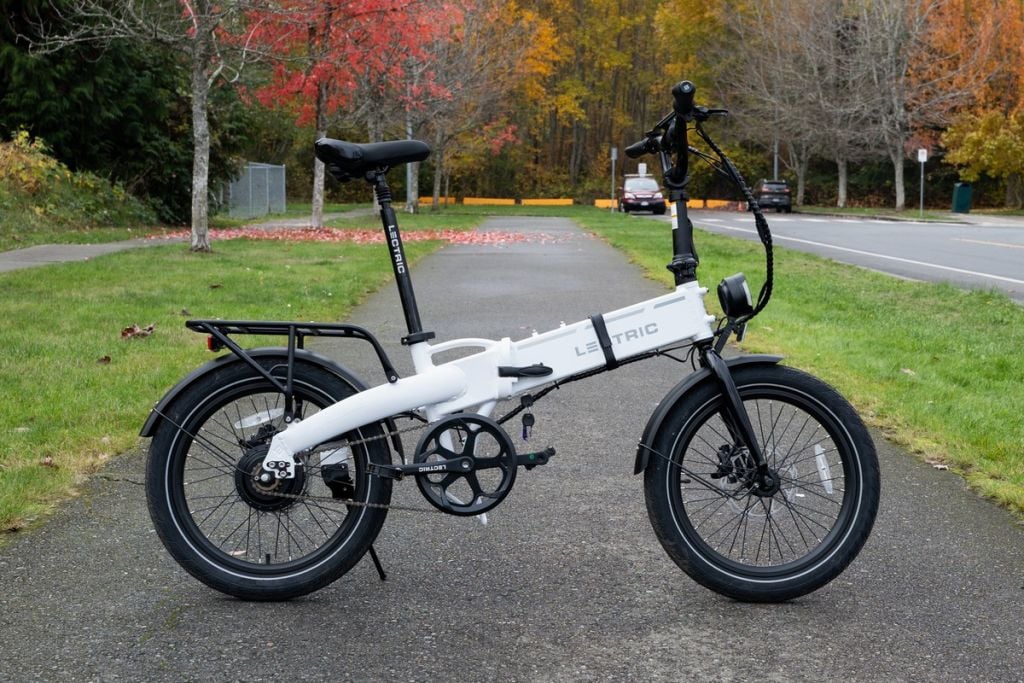 80
The Lectric XP Lite 2.0 is a 300W, single-speed folding e-bike that Lectric calls its lightest and most affordable. At 55.4 lb with its accessories, it is the lightest bike in our comparison group, and it stopped from 20 mph in 16 feet. On the other hand, it was the slowest in the group on our steep hill and it feels harsh on broken pavement. For riders who want a budget, low-maintenance Class 2 folder, it's a good choice.
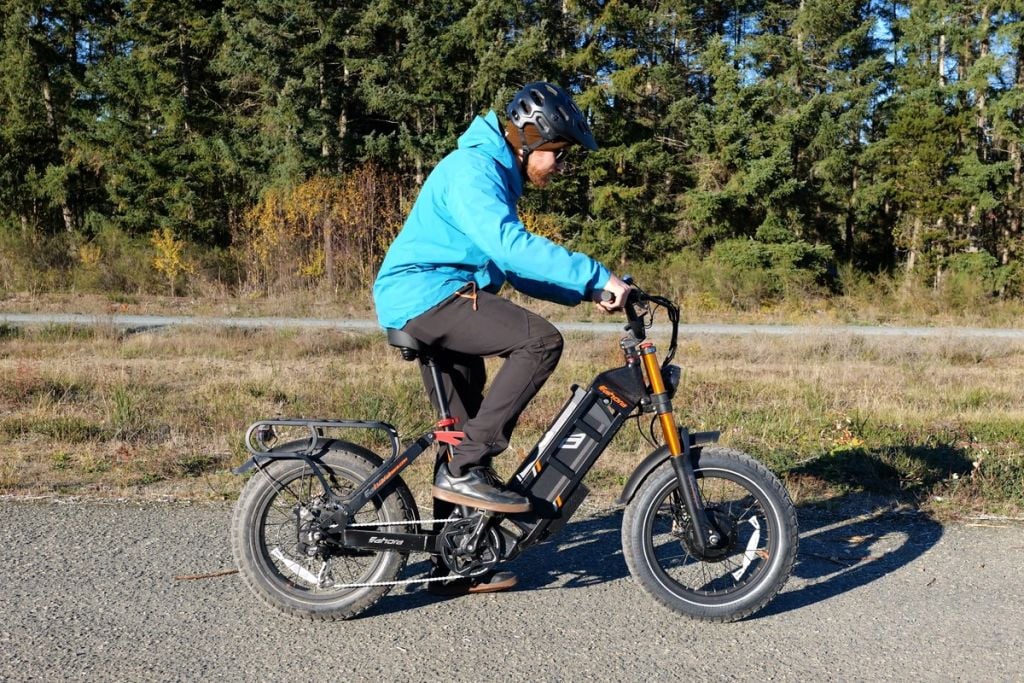 76
The Eahora Juliet Pro II is a 148.4 lb dual-motor moped-style e-bike that delivers impressive power and range. It reached a GPS-verified 43 mph, hit 20 mph in 5 seconds on the throttle, set the fastest time we have recorded (1:31) on our gradual hill, and covered 69.35 miles at a 28 mph cap. Weak suspension, poor stability at high speed, and conflicting specs count against it. It also lacks UL certification and won't meet e-bike rules in most places, but for a fast, long-range machine, the test results speak for themselves.
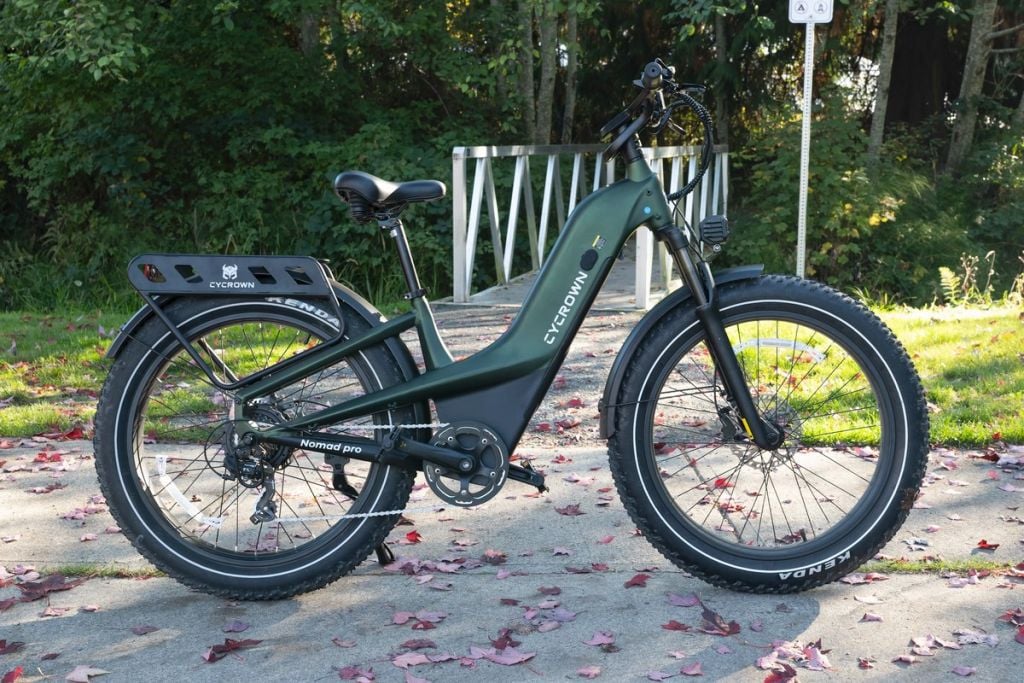 80
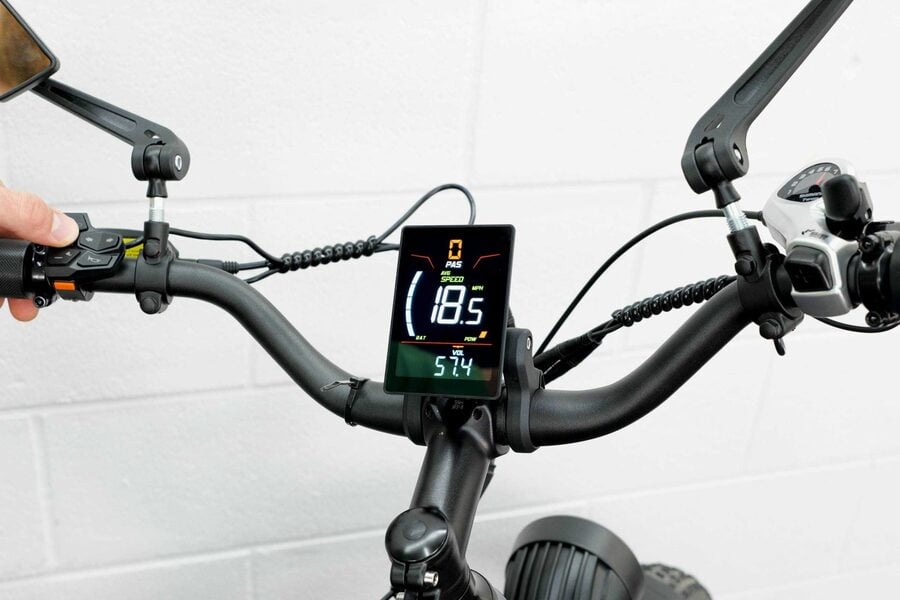
The CYCROWN Nomad Pro is a quick, comfortable fat-tire commuter with more tech than most at this price: a color display, NFC unlocking and GPS tracking. It tied for the fastest 0–20 mph time in our group (7 seconds) and has the brightest headlight we've measured to date. The trade-offs are a short medium-assist range (36 miles, 40% of the claim), high weight of 93 lb, and UL 2271 battery certification still in progress. A good buy for commuters who can live with the weight and the tech quirks.
 87
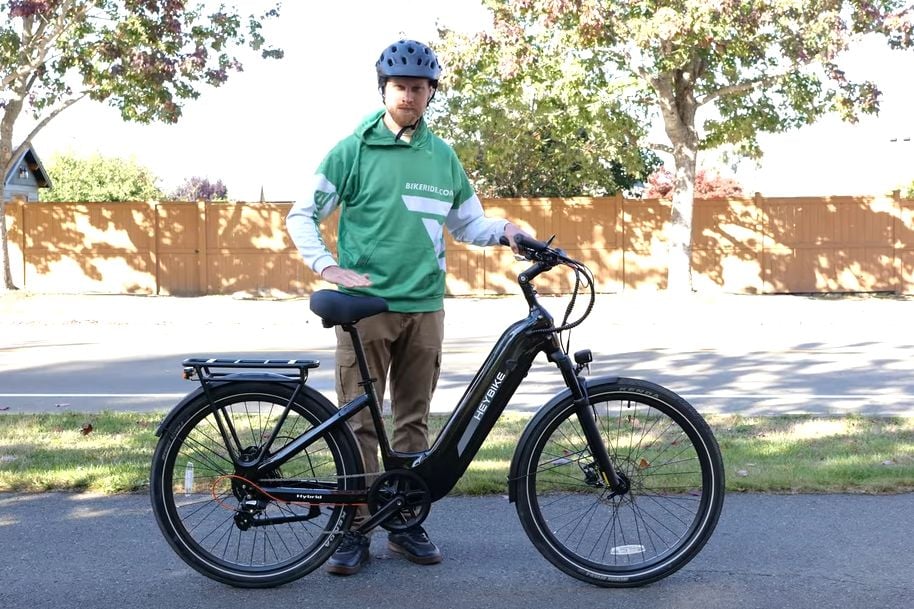
The Heybike Hybrid is a step-through commuter e-bike that Heybike calls its longest-range commuter. At maximum assist in Sport mode, it covered 32.45 miles, above the average for the commuter e-bikes we've tested, at the highest average speed in our comparison group. It stopped from 20 mph in 17.5 feet, the best brake result in the group, and climbed the steep hill second-fastest. Assist is well tuned, the ride is comfortable and stable at top speed, and every commuter accessory is in the box. The main disappointment is the misleading spec sheet; that aside, Heybike's Hybrid is easy to recommend.
 71
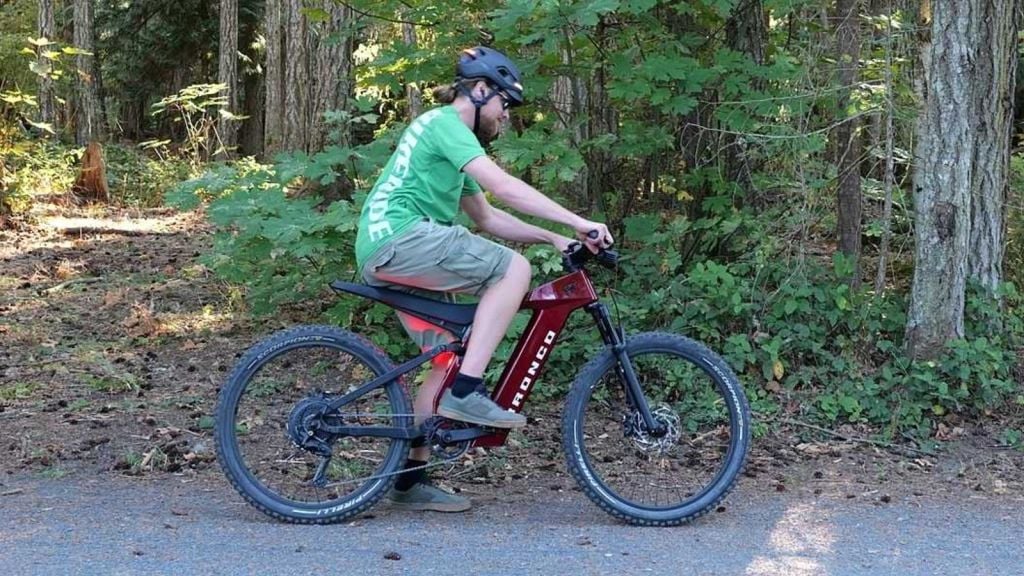
The Ford Bronco E-Bike is a full-suspension, moto-style e-bike designed by n+ and sold by Ford. Its suspension was adequate for dirt paths, mild gravel and logging roads, but it won't go over all terrain the way Ford claims. The pedaling position is the worst we have dealt with in a while, and the throttle provides limp, unremarkable assistance: the slowest in our comparison group. Range was the one standout test result, at 31.35 miles. The three cheaper comparison bikes matched or beat the Bronco in most areas, so you're paying for the branding.
 80
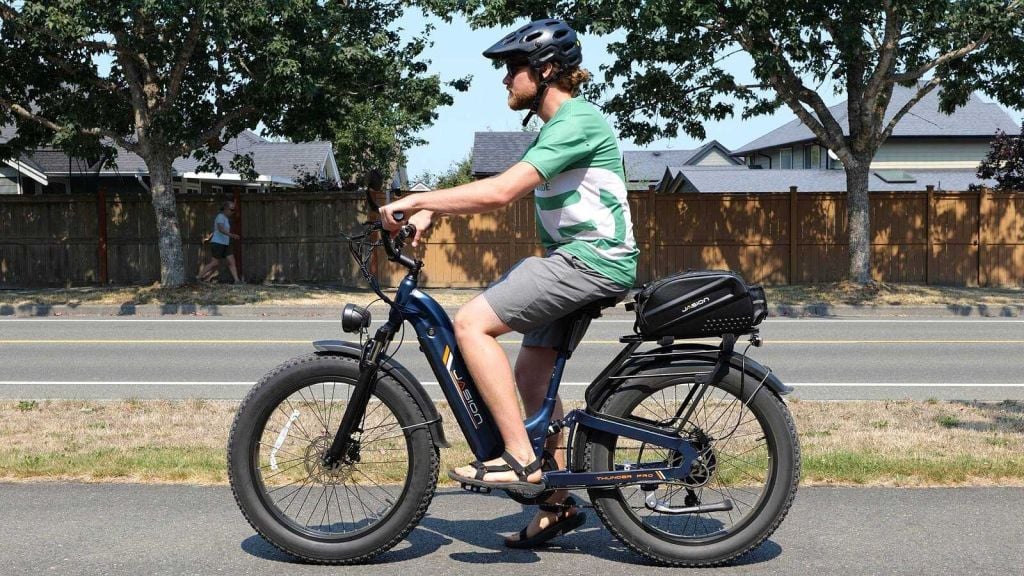
The Jasion Thunder Pro ST is a well-equipped full-suspension cruiser that delivers real performance for its price. It reached a GPS-verified 35 mph and posted the fastest hill climbs in our comparison group. However, its real-world range was just 28.4 miles, and the budget suspension isn't suitable for the "rough terrain" that Jasion claims. The 500 lb payload rating is, in the brand's own words, a 270 lb riding limit. Overall, it's a powerful and comfortable e-bike, just with exaggerated marketing.
 91
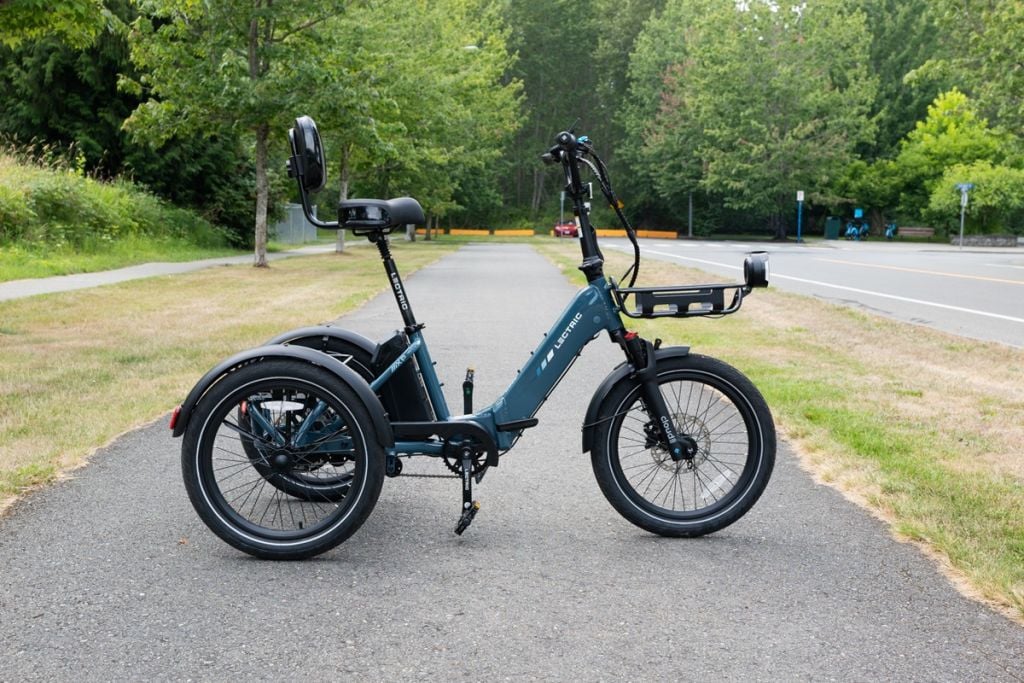
The Lectric XP Trike2 750 is the upgraded version of Lectric's folding e-trike, with a 750W motor, a torque sensor, and an 840 Wh battery. It posted strong results in our tests and lasted 38.69 miles on PAS 4 of 5, the longest result in our comparison group. Its brakes stopped it from its 17 mph top speed in 13 feet. The weight, single-speed gearing, and slow charging count against it, but for riders who want an e-trike for errands and leisure rides, it's the best we have tested.
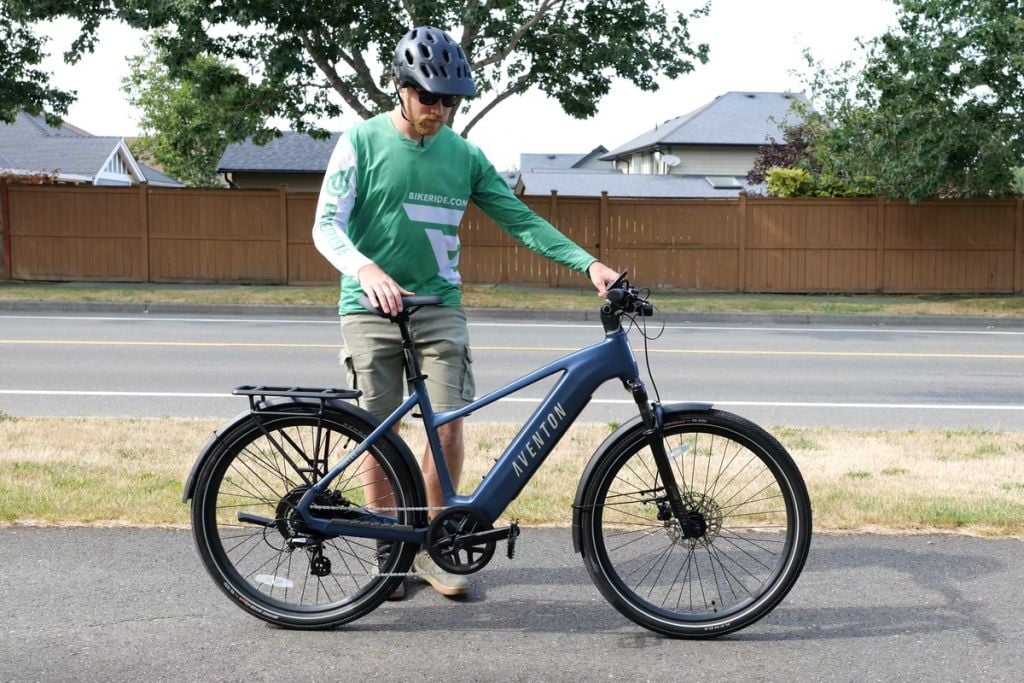 93
The Aventon Level 4 REC is the hub-drive version of the brand's commuter, with a 750W motor, regenerative braking, and a throttle. It climbed our steep hill in 2:13, the fastest in our comparison group, and lasted 44.20 miles at maximum assist, the longest max-assist run in the group. The brakes needed 22 feet from 20 mph, the longest stop in the group, and the hub whines under load. For riders who want a powerful, well-equipped commuter and don't need a mid-drive's smoother assist, the Level 4 REC is easy to recommend.
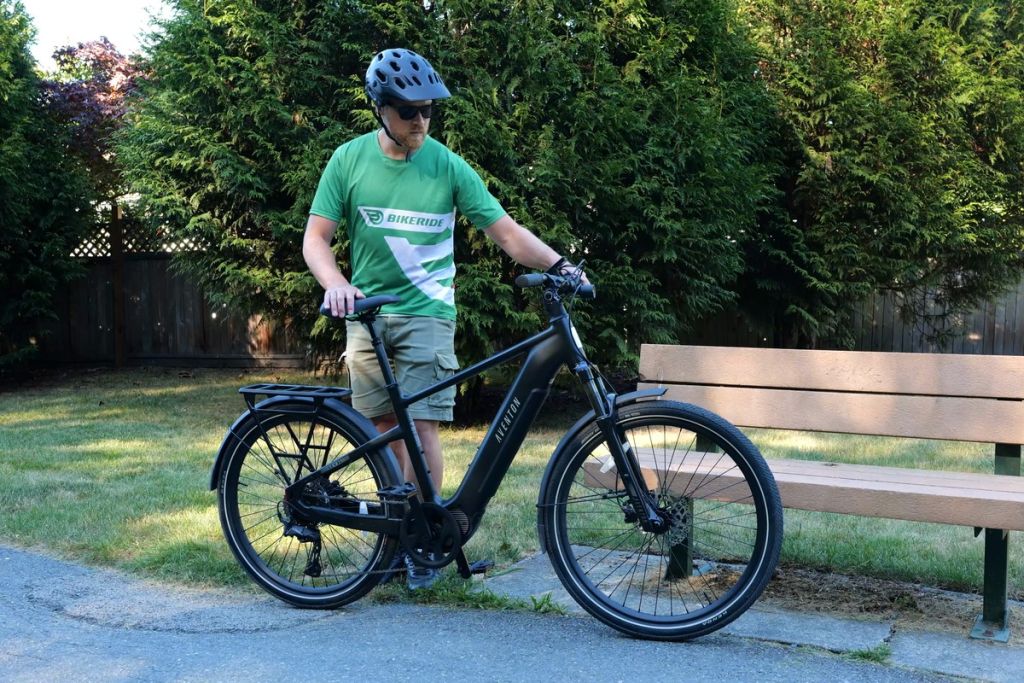 94
The Aventon Level 4 ADV is the mid-drive version of the brand's commuter, with pedal assist and gears that shift for you. It posted solid results in all tests, and lasted 58.01 miles in a range test using Auto PAS mode, the longest result in our comparison group. The inaccurate listed weight, stiff coil fork, and missing brake light count against the Level 4 ADV. For commuters who want an affordable mid-drive with plenty of range, it's easy to recommend.
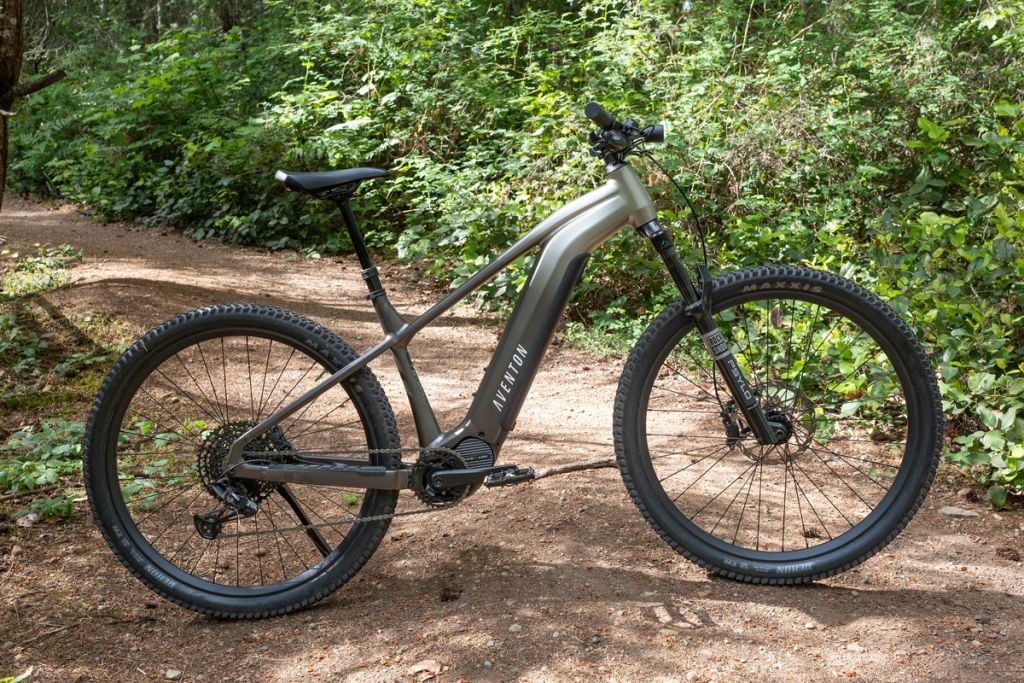 90
The Aventon Ramblas ADV is the second generation of the brand's hardtail e-MTB, with a 100 Nm mid-drive and 12-speed SRAM drivetrain. It posted solid results in all tests, and lasted 46.38 miles in a range test with medium assist, with the most climbing in our comparison group. On our steep hill, it was the fastest mid-drive we have timed. The basic coil fork and rattling cable count against the Ramblas ADV, but for newer riders on a budget who want to explore singletrack, it's a solid option.
 88
The Spark 970 is the 2024 entry-level build of SCOTT's 130/120 mm downcountry bike. In testing, we found it to be an efficient climber and capable on blue and black flow trails, jumps and small drops. Its TwinLoc remote switches the suspension between three modes from the bar. The two-piston brakes limit speed on steep descents, and the tires slip in the wet. Plan to upgrade the tires and brakes, but suspension upgrades are limited.
 92
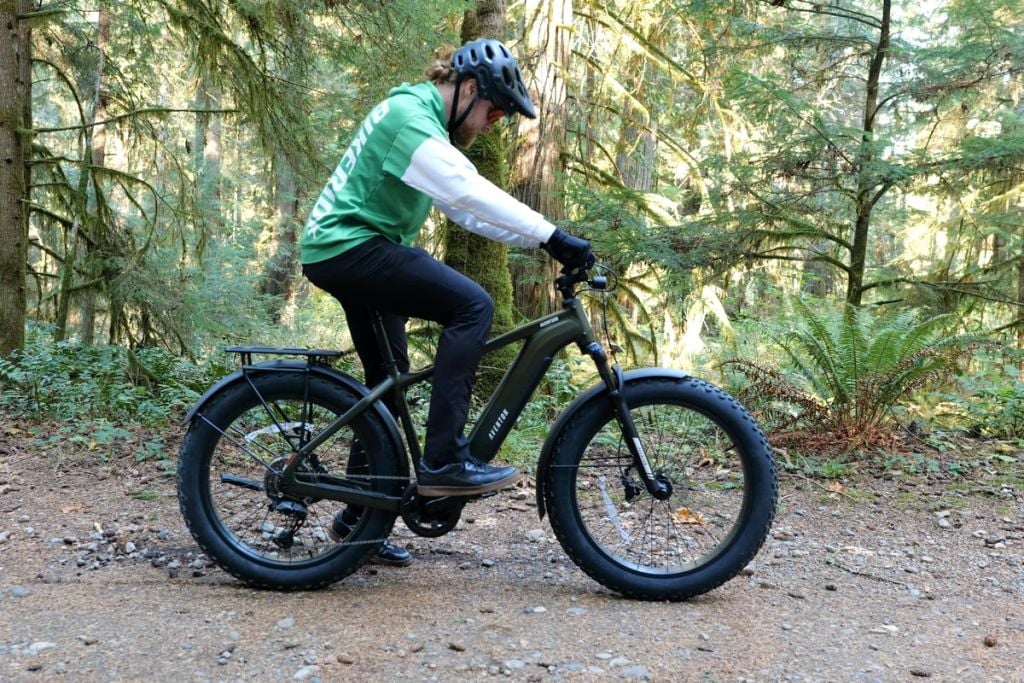
The Aventon Aventure M is the mid-drive version of the brand's all-terrain fat-tire e-bike, with AutoShift and Auto PAS. It posted strong results in all tests, and lasted 39.62 miles at max assist, the longest max-assist run in our comparison group. It was also the fastest mid-drive we have timed on our gradual hill with the 20 mph limit. The budget suspension and awkward charge port count against the Aventure M. For riders who want one fat-tire e-bike for trails and town, it's easy to recommend.
 94
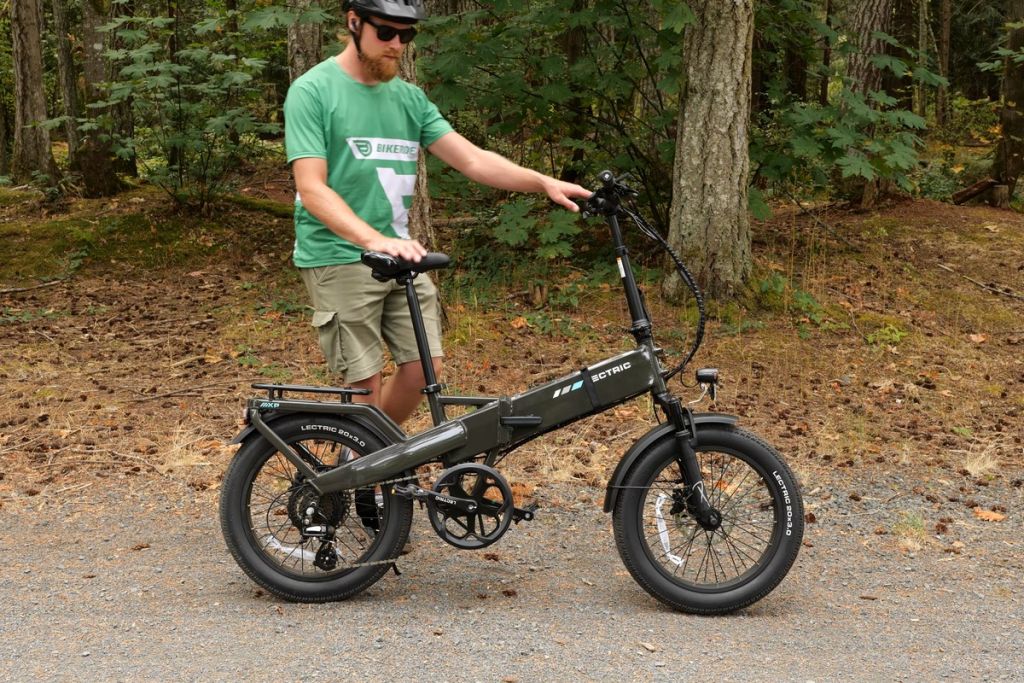
The Lectric XP4 is a folding commuter that answers the XP 3.0's complaints with a torque sensor, new hydraulic brakes, a color display and a side-access battery lock. It climbed our gradual hill in 3:02, the fastest in our folding group, and hit 20 mph in 8 seconds on pedal assist. Range was 32.76 miles at medium assist. The battery rattles in the down tube and 69 lb is heavy for a folder, but the XP4 sets the bar for budget e-folders.
 94
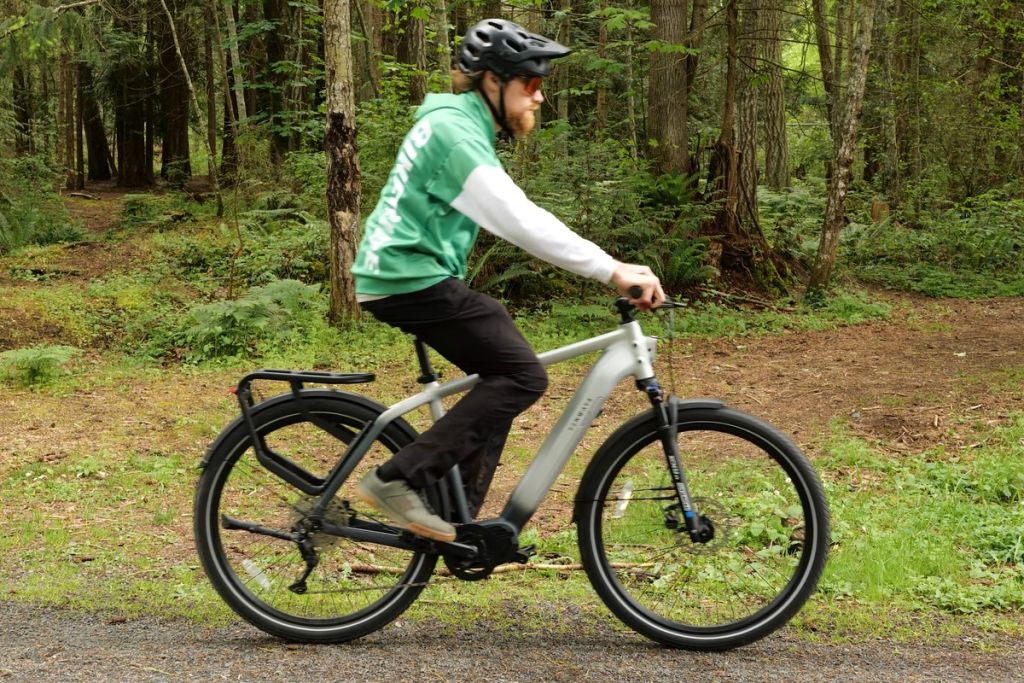
The TENWAYS AGO X is a mid-drive commuter with a 10-speed Shimano Deore drivetrain. Its natural pedal assist and efficient battery usage impressed us, using just 17.5 Wh per mile at maximum assist. It's also reasonably lightweight for an e-commuter. However, it was the slowest in our comparison group on the gradual hill, but for commuters who want a fully equipped mid-drive that can handle light trails, its easy to recommend.
 93
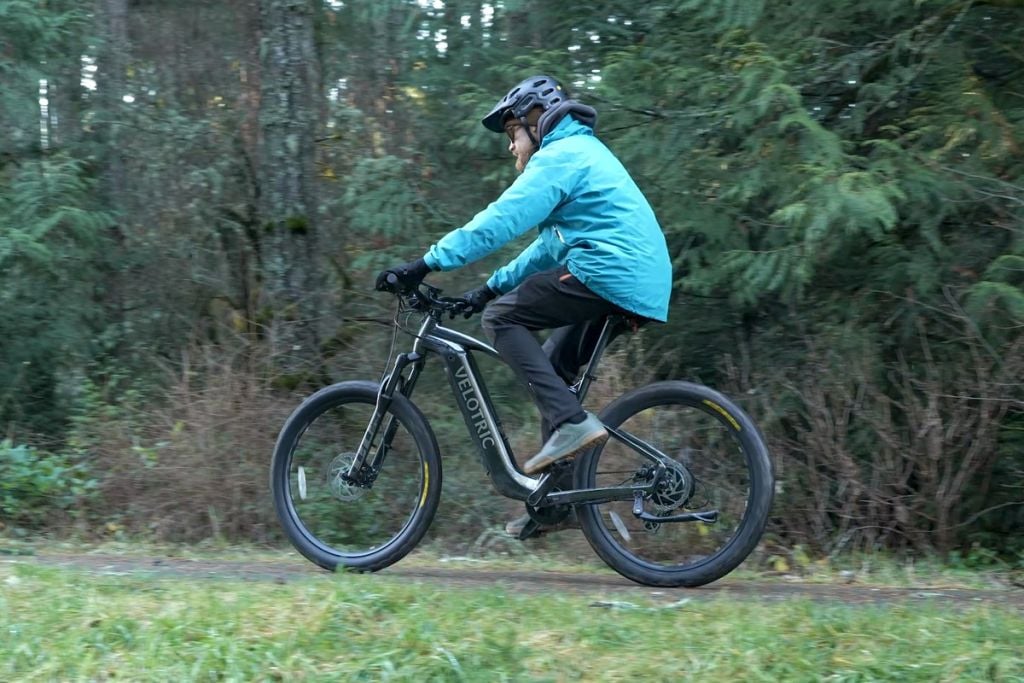
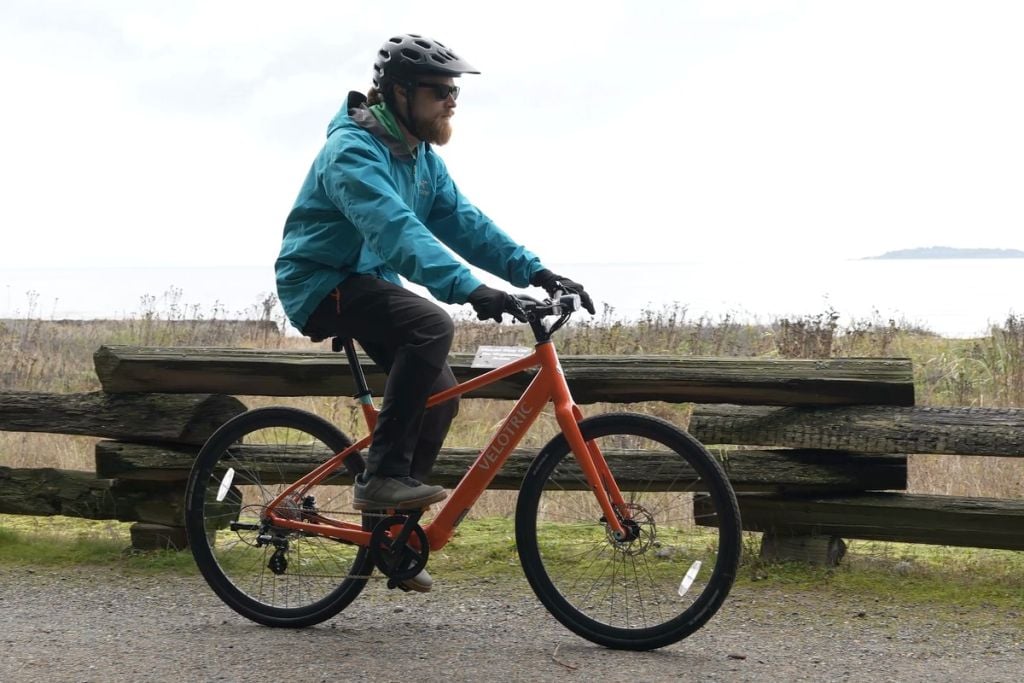
The Velotric Summit 1 is a 750W hub-drive hybrid with the look and geometry of a hardtail mountain bike. It reached 20 mph in 6 seconds, went 46.63 miles in Trail mode, and stopped from 20 mph in 14.5 feet, the shortest of any hybrid e-bike we have tested, and no bike in our comparison group beat it on acceleration, capped climbs, range, or braking. On real trails its 11–32t gearing, stiff fork, and 64.6 lb weight soon show their limits. For riders who want a fast, well-made commuter that can handle light trails, it is easy to recommend.
 91
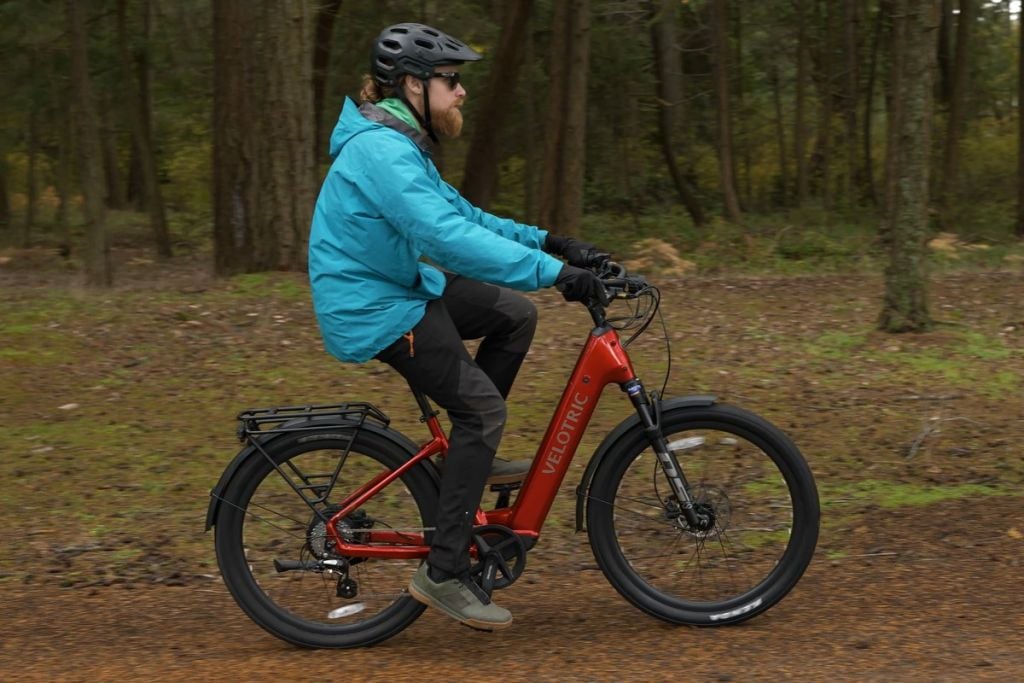
The Velotric T1 ST Plus is a 42 lb fitness hybrid with a 350W rear hub, a torque sensor, and no throttle, and the best-handling rigid-frame e-bike we had tested at the time. It stopped from 20 mph in 18 feet and reached 20 mph in 8 seconds. Its 40 Nm motor and 11–32t gearing made it the slowest climber in our group, 4:03 on both hills, and it lasted 16.93 miles at maximum assist and 30.63 in Trail mode, 44% of the 70-mile claim. For riders who want a workout with a little help, it is easy to recommend.
 93
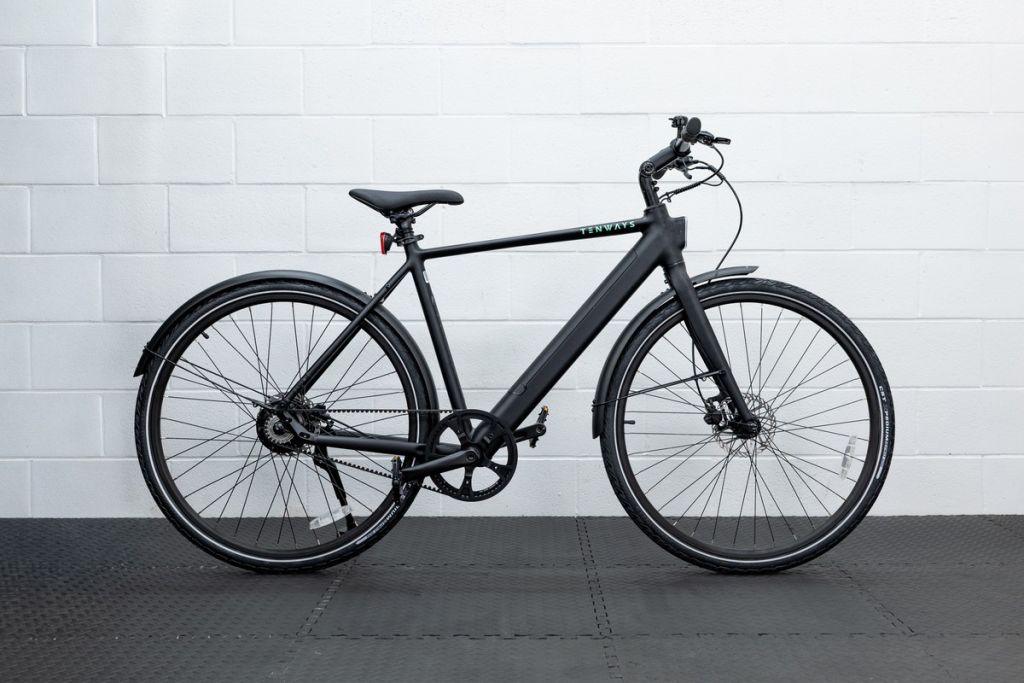
The Velotric Discover 2 is a 750W step-through commuter with a premium feel. It reached 20 mph in 7 seconds on pedal assist, went 40.62 miles using medium assist, and stopped from 20 mph in 18 feet. On the other hand, it was the slowest in our comparison group on our steep hill and the Large frame is likely too small for riders over 6 feet. For commuters up to 6 feet, it's easy to recommend.
 88
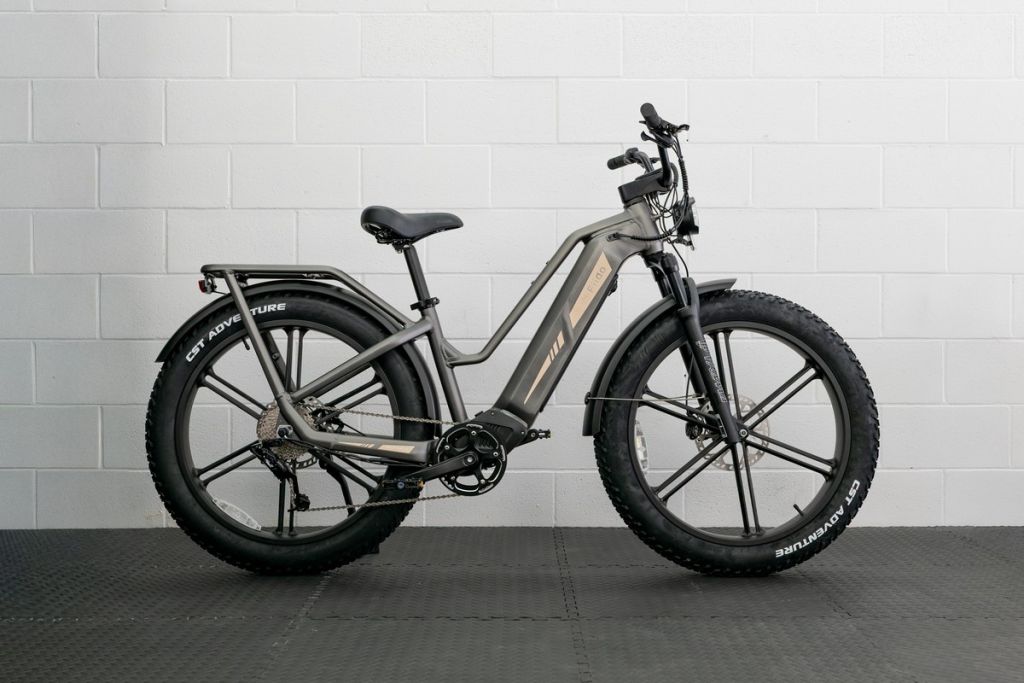
The TENWAYS CGO600 Pro is a lightweight, single-speed hybrid with a Gates Carbon belt drive and a torque sensor. It's also offered with an 8-speed chain drive (Pro-C). At 41.5 lb it is one of the lightest e-bikes we have tested, and it uses its small battery efficiently, at 12.9 Wh per mile on max assist. On the other hand, it took a lengthy 26 feet to stop from 20 mph, and its rigid frame delivers a harsh ride feel on rough pavement. Overall, the CGO600 Pro is easy to recommend for riders who want a simple, low-maintenance urban e-bike.
 89
The Fiido Titan is a big, 750W fat-tire e-bike with a torque sensor. Unlocked to 28 mph, it climbed our gradual hill in a rapid 2:15, and at its stock 15.5 mph limit it covered 44.46 miles using max pedal assist. On the other hand, it took 23 feet to stop from 20 mph and it's heavy at 83 lb. For riders who want power and comfort on roads and light trails, the Titan is worth considering.
 85
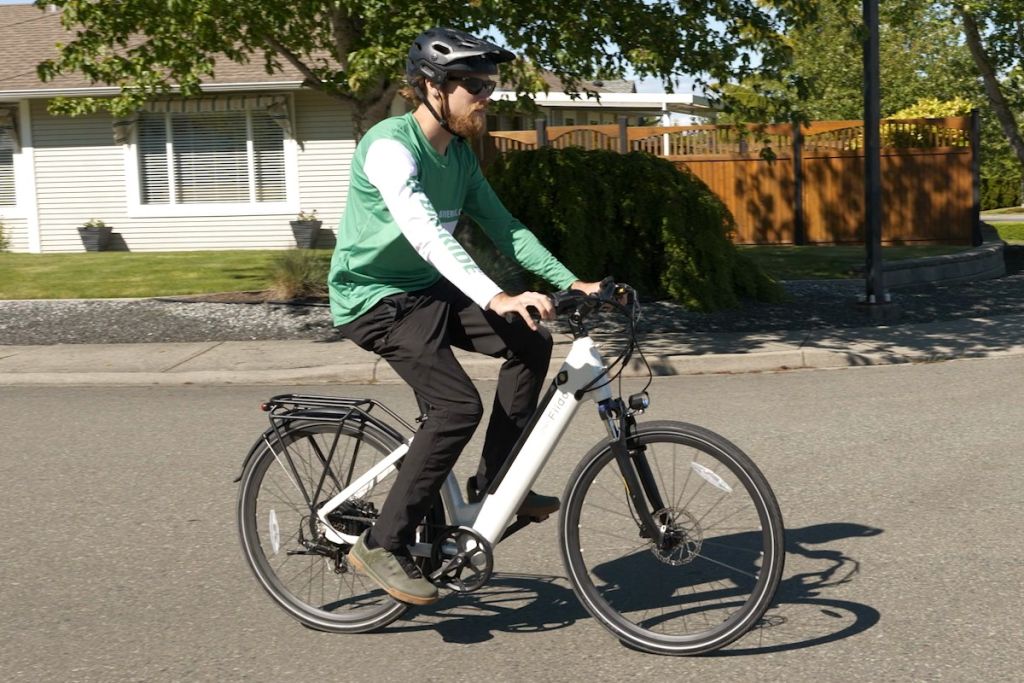
The Fiido C11 is a step-through commuter with a 500W rear hub and 700C wheels. It's limited to 15.5 mph out of the box, but unlocks to reach 25 mph. Unlocked, it climbed our steep hill quickly, but it takes longer than average to stop (24.5 feet) and our unit had stripped fender mounts. For riders who want a lightweight, budget-friendly commuter, the C11 is a solid option.
No First-Hand Tests in this category yet. See all tested bikes.
How a First-Hand Test works
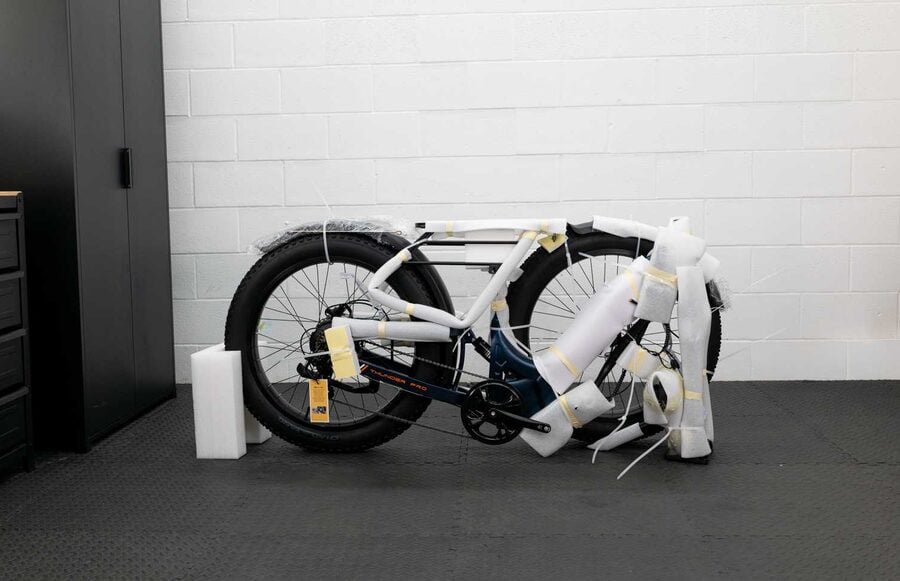 1Unbox & assemble
We build the bike the way a buyer would and note every missing bolt and bad instruction.
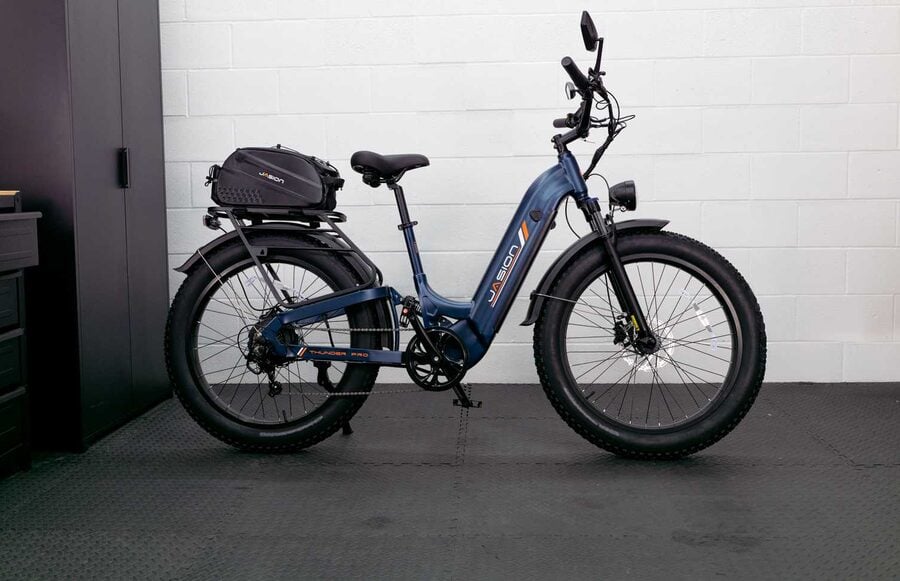 2Measure
Weight, geometry, fit range and payload claims, checked in the studio before the first ride.
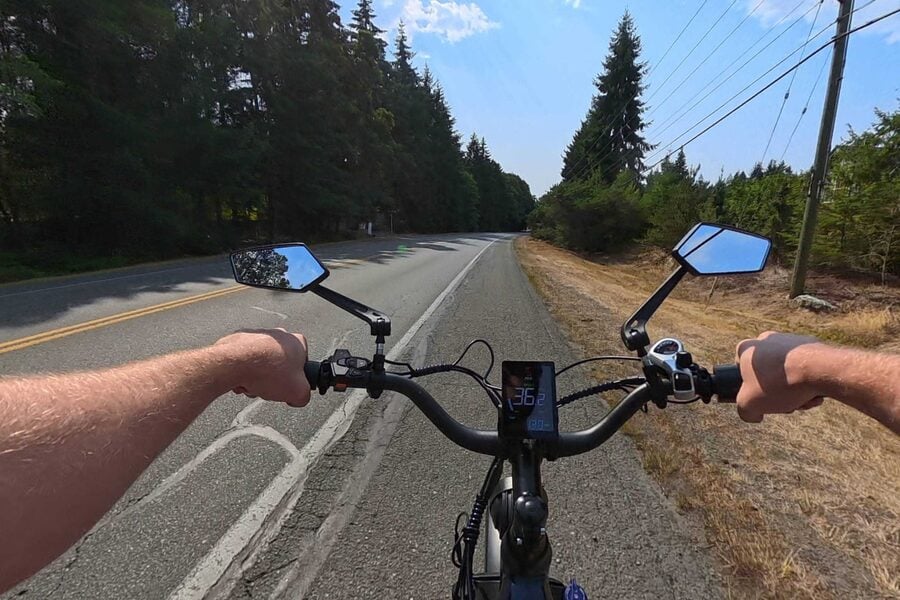 3Ride the same routes
Range, top speed, 0–20 mph, hill climbs and braking on fixed routes, GPS-logged and filmed.
 4Score against the database
Results are scored by where the bike lands against every other bike we’ve tested. How the score works