How We Test Bikes
Every bike we review in-house is assembled and ridden by the same team, on the same routes, using the same tests. Then we compare it against the other bikes in our test database. This page explains exactly how we do it, so you can judge our conclusions for yourself.
Our written and video reviews come from the same test sessions, and every number on this page has footage to back it up.

Why We Test Bikes This Way
Most bike reviews are superficial, particularly those in the e-bike space. Oftentimes, reviewers simply ride a bike for a few miles and recite the manufacturer-provided spec sheet and talking points. Surface-level testing like this makes it impossible to compare models properly and make a fully informed purchase.
We’ve tested e-bikes that fail to reach their top speed, that deliver a fraction of the claimed range, that weigh several pounds more than the manufacturer states, and show inaccurate speedometer and battery readouts.
The only way to know how a bike performs in the real world is to put each one through the same standardized tests and ride each bike on its intended terrain. This approach provides us with two types of data: objective measurements and subjective ratings, and measured numbers outweigh subjective ratings.
Each data point must clear two criteria to make it into a review:
- It has to matter to a buyer.
- It has to be comparable across similar bikes (as a measurement or as a subjective rating with written anchors).
How We Get the Bikes
Bikes are supplied by the manufacturer for testing. Brands cannot buy a score or a favorable verdict, and they never see the finished review before publication. We earn affiliate commission on some links, but this never affects how we evaluate the products we test.
Any issues we encounter before or during testing, such as defects, missing parts, or shipping damage, are communicated to the brand before publication. Brands are given the opportunity to address these issues, and we include this information in the final review.
The Core Tests Each Bike Goes Through
Whatever the category, each bike that we test goes through the same process.
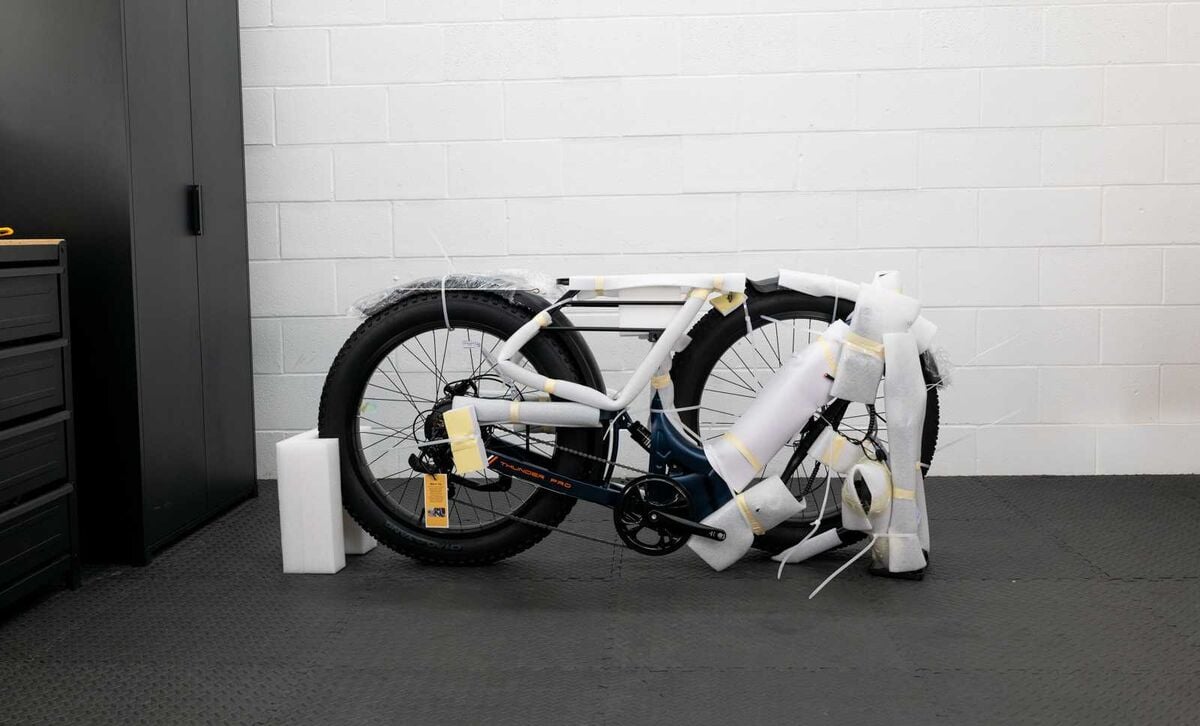
Unboxing and Packaging
The condition of the bike and packaging on arrival is documented before the first bolt is turned, noting any shipping damage or missing parts.
Timed Assembly
Our tester takes each bike from the sealed box to ready-to-ride against the clock, following the included instructions like any buyer would.
Factory Audit
After assembly, we go over the whole bike: bolt torque, wheel trueing, brake alignment, and shifting. Every issue we experience is counted and published.
Verified Weight
We weigh every bike on our calibrated scale as shipped with all accessories mounted. This is published next to the claimed weight.
Brake Test
We take the average distance of three full stops from a GPS-verified 20mph on the same dry strip of pavement.
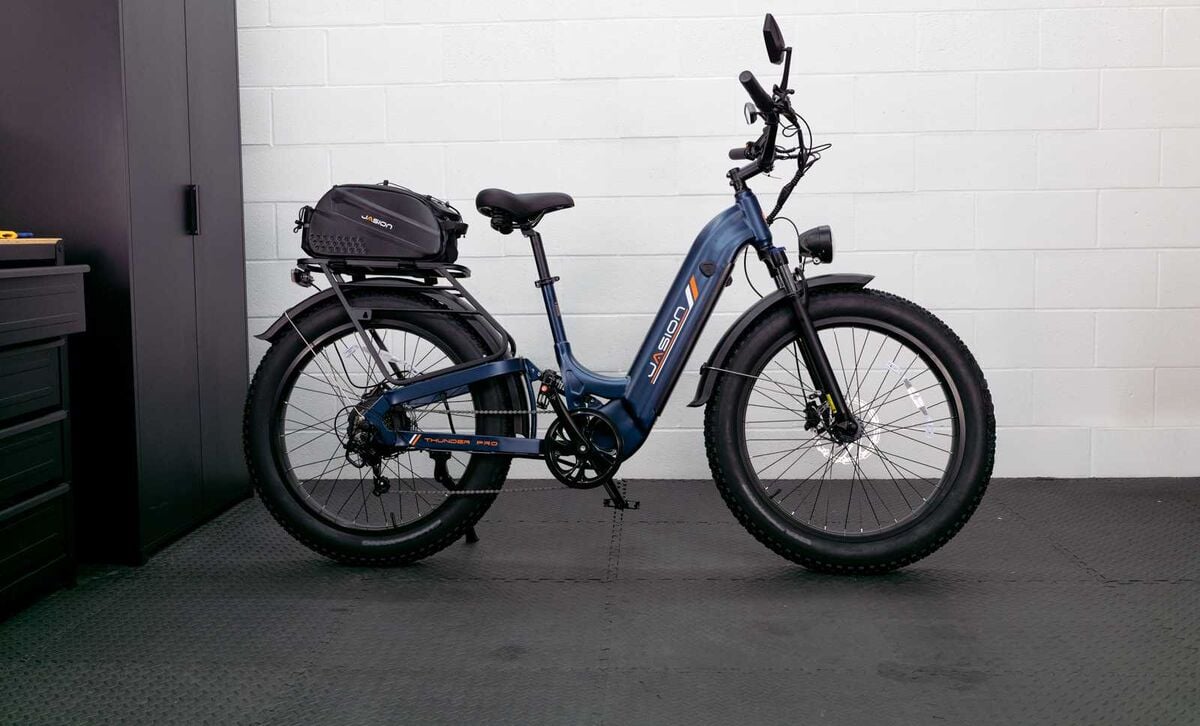
Geometry Verification
We measure the reach, stack, standover, wheelbase, and the maximum and minimum saddle height of each test bike and check against the published tables. Discrepancies get flagged in the review.
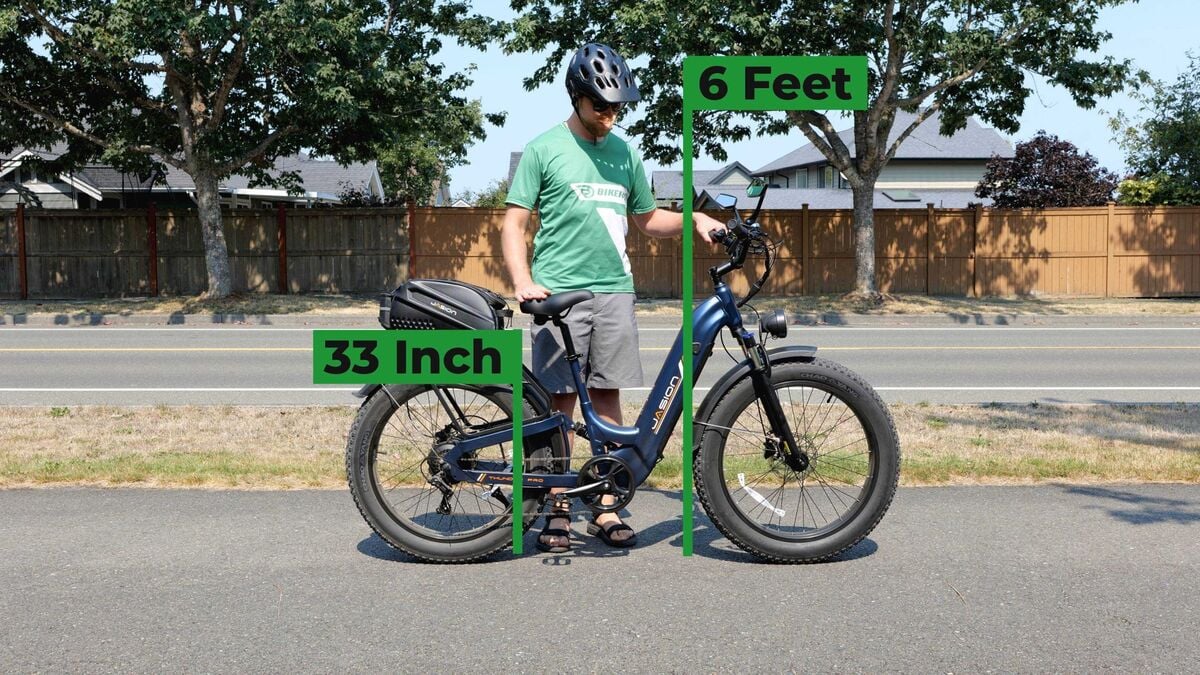
Fit and Sizing Check
Almost all bikes have a claimed rider height range. Our tester evaluates the claim, giving it a subjective fit evaluation, and checks the measured geometry against population averages.
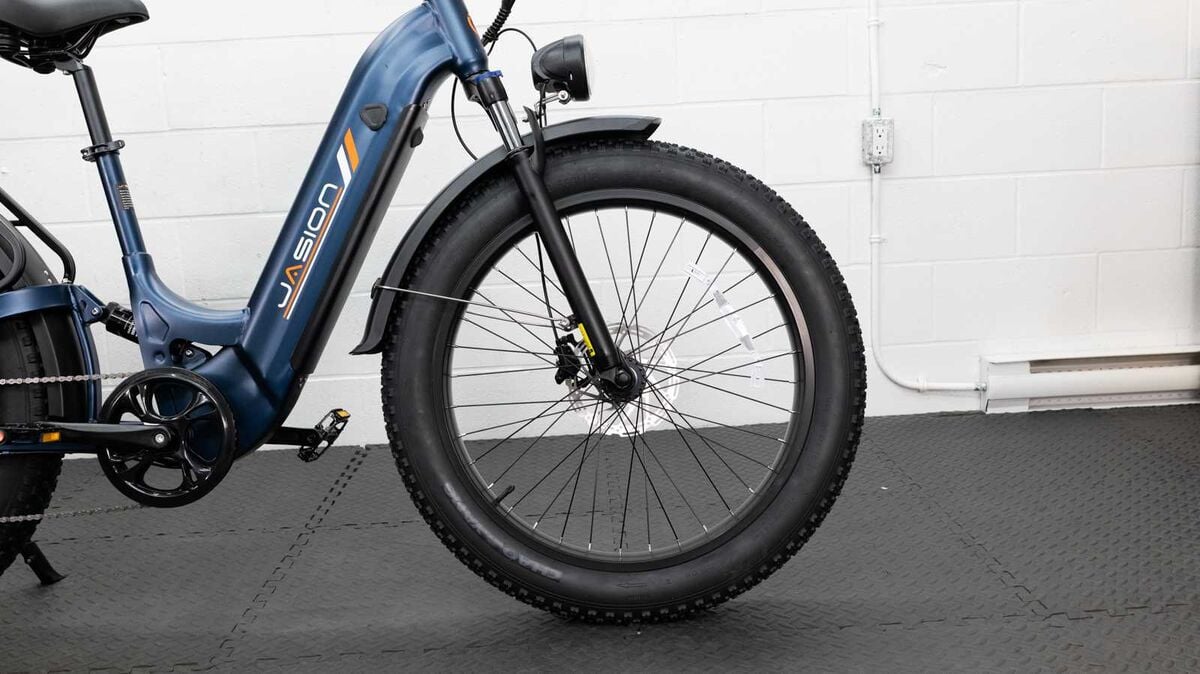
Ride Quality and Handling Ratings
In testing, high and low-speed stability, cornering, traction, and suspension behavior are evaluated and rated against written anchors.
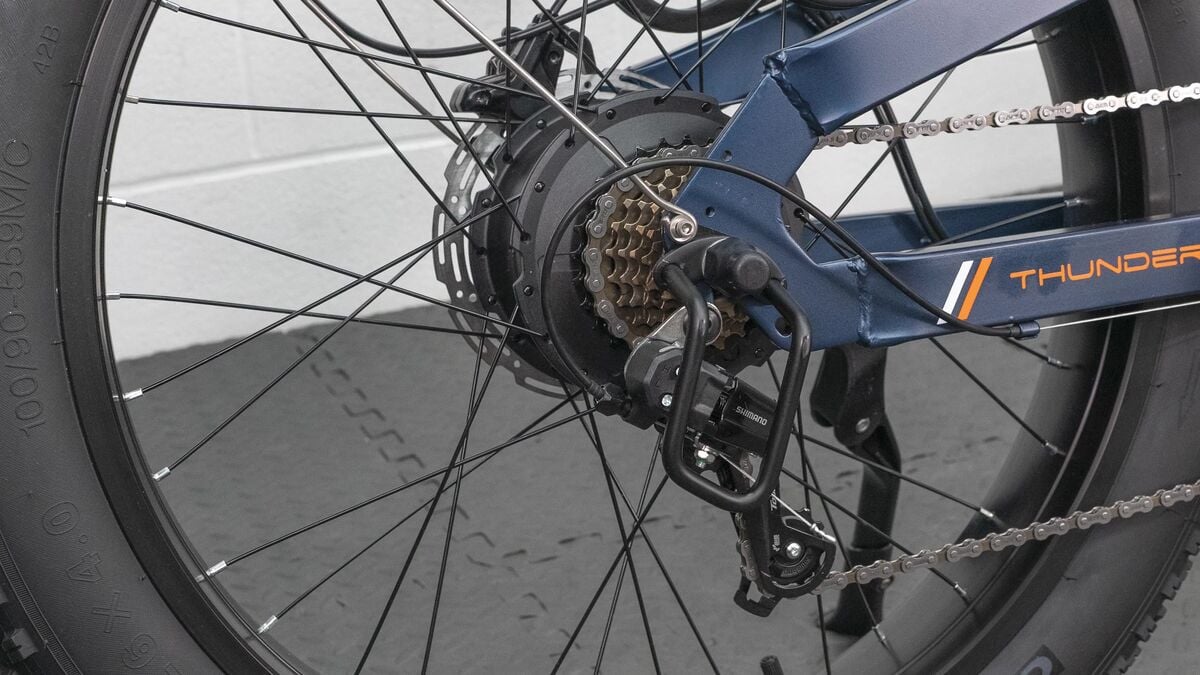
Gearing
The bike’s gearing is evaluated in the context of its intended use. E-bikes are assessed for ghost pedaling.
Shifting and Brake Feel
Shifting performance and brake feel are rated against written definitions.
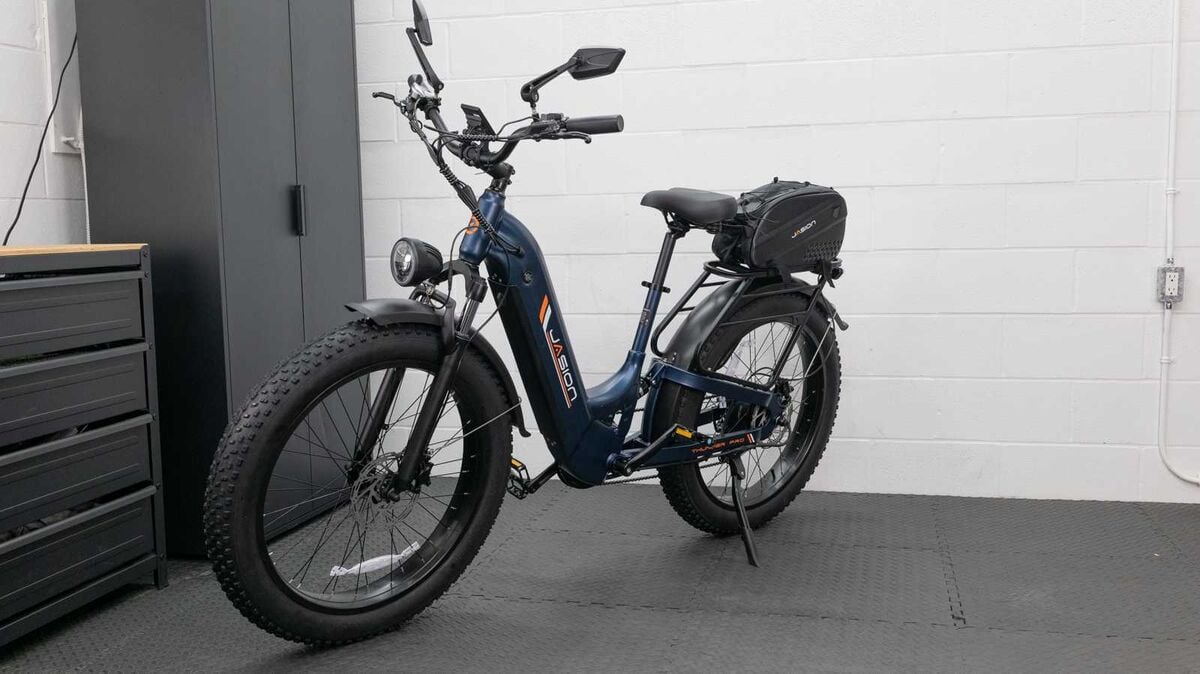
Comfort and Contact Points
The saddle, grips, and riding position are rated after real miles on the bike’s intended terrain, never from a parking-lot roll.
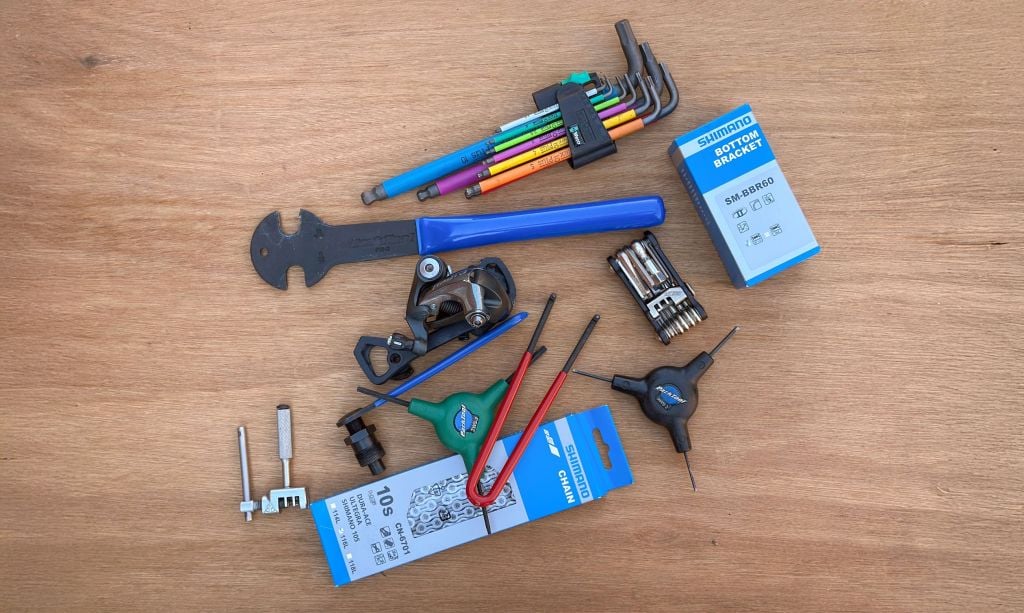
Serviceability
How easy the bike is to live with: standard versus proprietary parts, access to wear items, and the quality of the documentation, rated 1–5.
Anonymous Support Test
Every brand gets the same support question from a regular customer account with no BikeRide affiliation. We publish how long the first useful reply takes, counted in weekday hours.
E-Bike-Specific Tests and Ratings
Electric bikes go through a full suite of tests to evaluate the performance of the electronics and smart features.
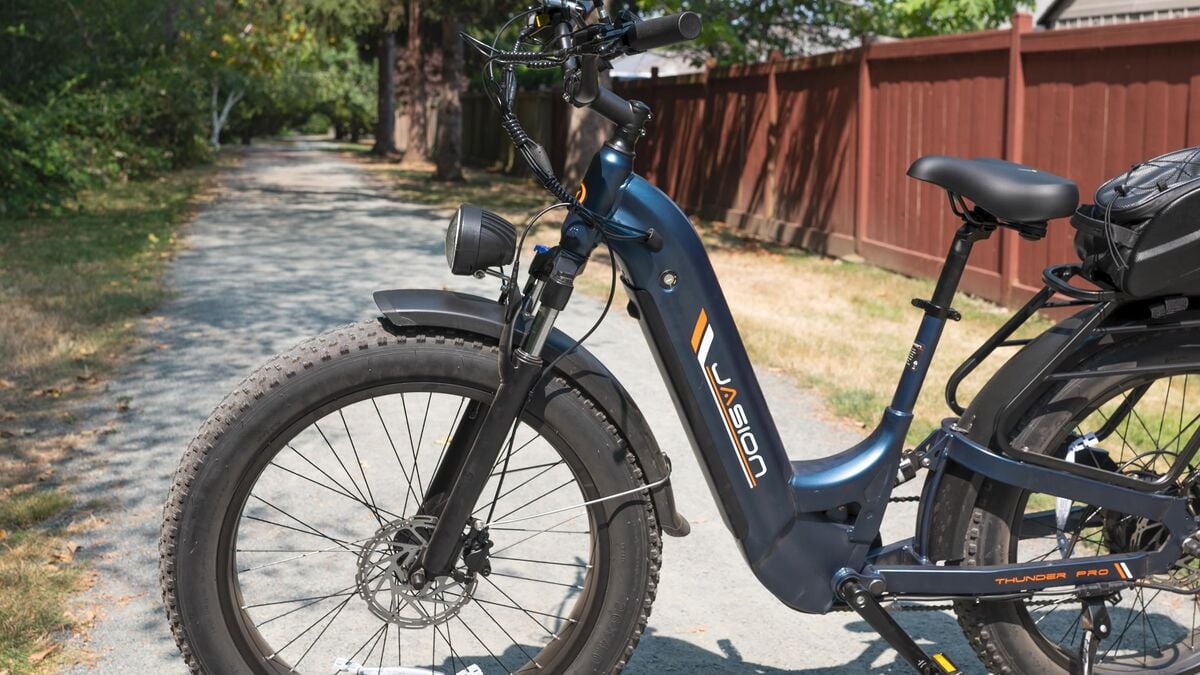
Range Test – Max Assist
Ridden to motor shutoff, not until the gauge says empty, on our standard loop using maximum pedal assist. Rider weight, temperature, and wind are logged and published.
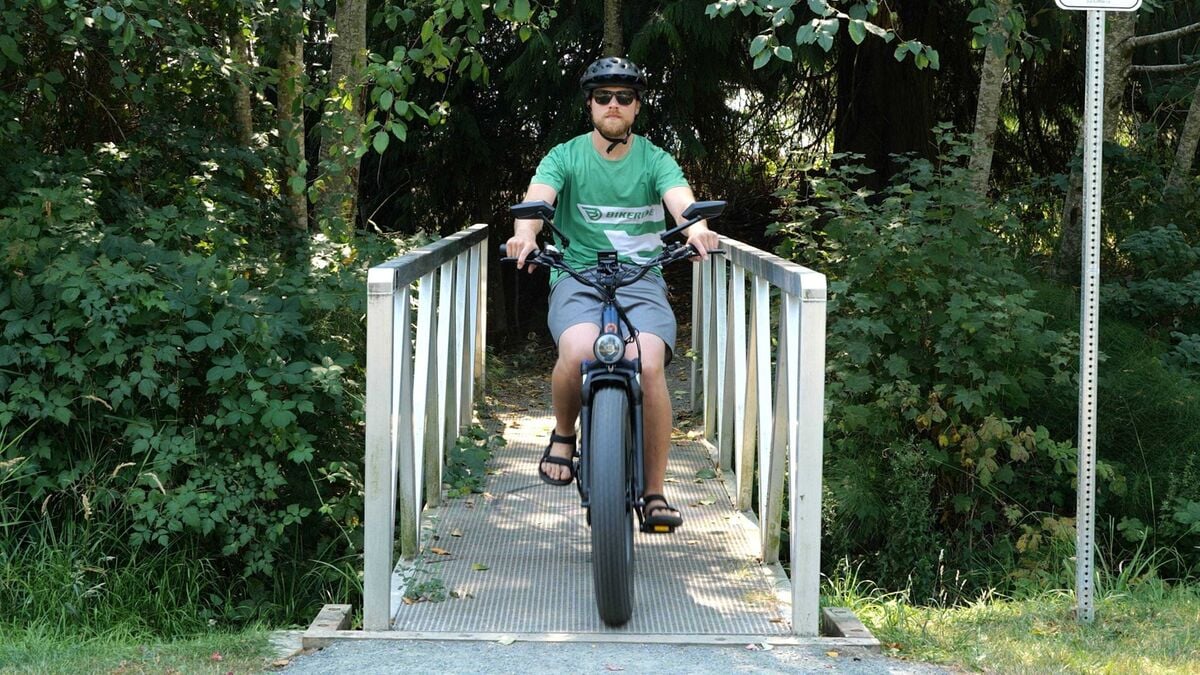
Range Test – Medium Assist
The same loop to shutoff at the middle assist level, closer to how most people actually ride.
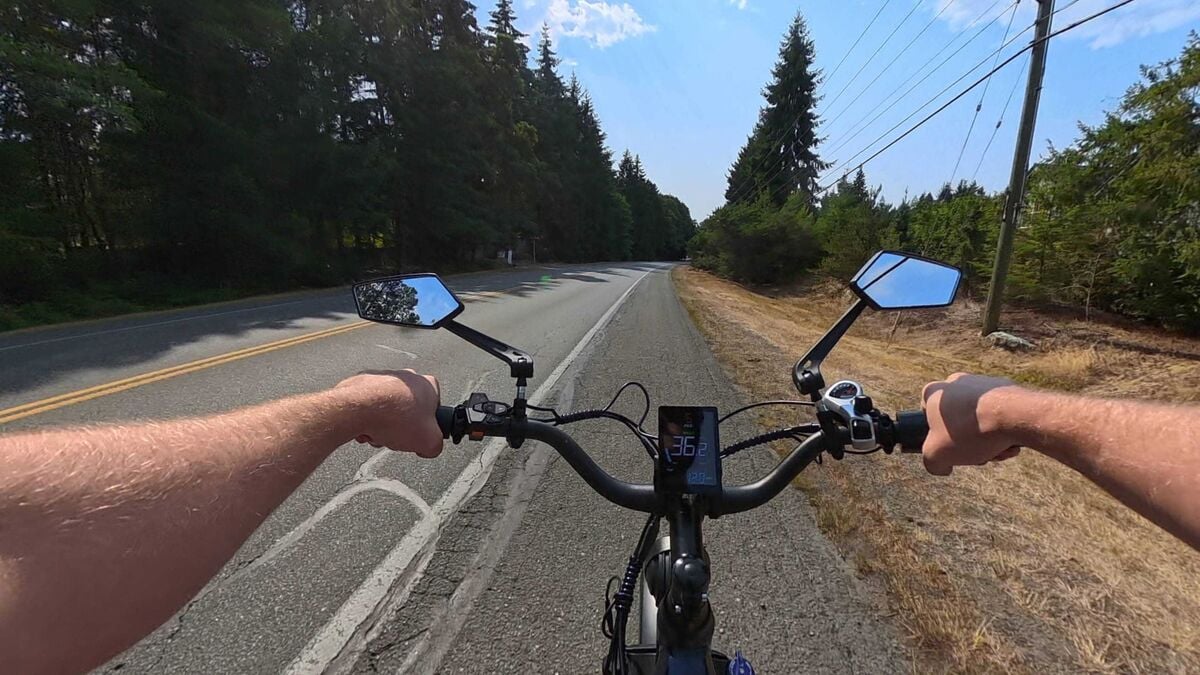
Real-World Range vs. Claim and Category Average
Both range runs are set against the manufacturer’s claimed range and published as a percentage. The results are also compared against the average of similar e-bikes.
Gradual Hill Climb
A gradual hill of roughly a mile with a 6% gradient, ridden at full assist and timed. Shows the bike’s ability to climb at speed.
Steep hill climb
A steep climb with a 12% average gradient for just over half a mile, ridden at full assist. This is true test of the motor’s peak power.
Acceleration – Throttle-Only
From a standing start on flat pavement to a GPS-verified 20mph, using only the throttle.
Acceleration – Max Pedal Assist
The same standing start to 20mph, only using maximum pedal assist.
Speedometer and Top Speed (GPS-verified)
Using an external GPS, we record what the display reads at a true 20mph, and what the sustained top speed is versus the manufacturer’s claim. A flattering display makes riders misjudge legal limits.
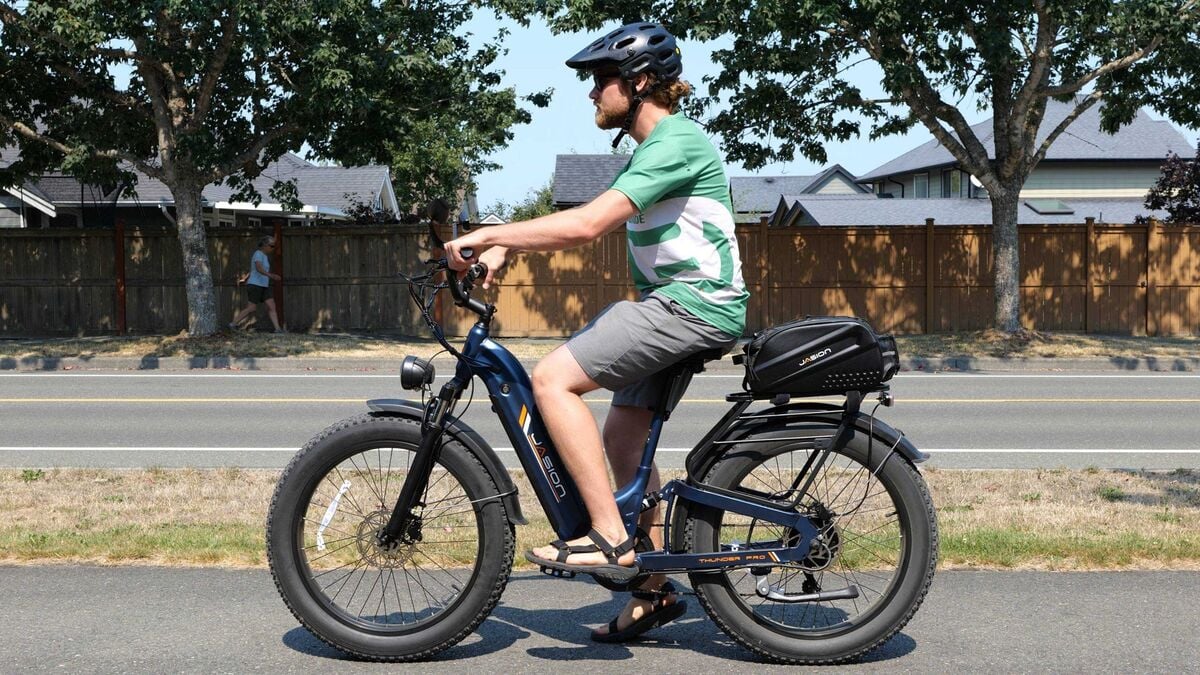
Assist Engagement Delay
The delay between initial pressure on the pedals and motor assistance kicking in, counted in ¼ revolutions.
Motor noise
Using a decibel meter, we measure motor noise in dB(A) at a steady 20mph indoors at the BikeRide studio, because a noisy motor gets old fast.
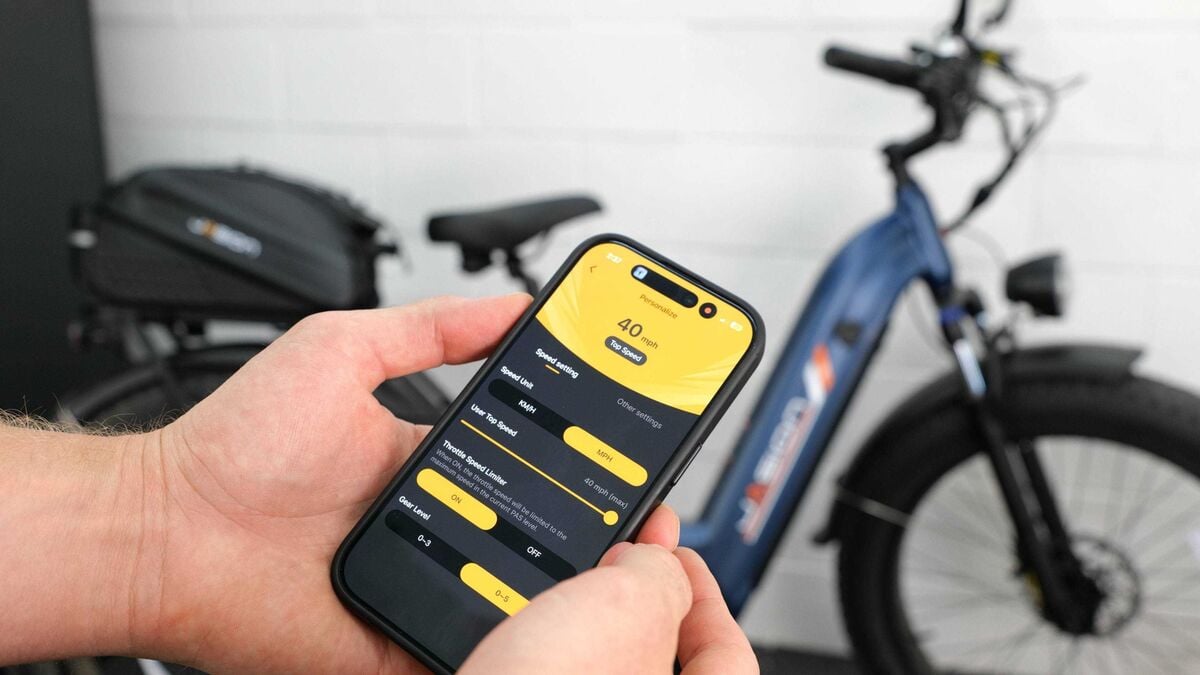
App and Connectivity
Where a companion app exists, we pair it, test its features, and rate its usability and value against written anchors.
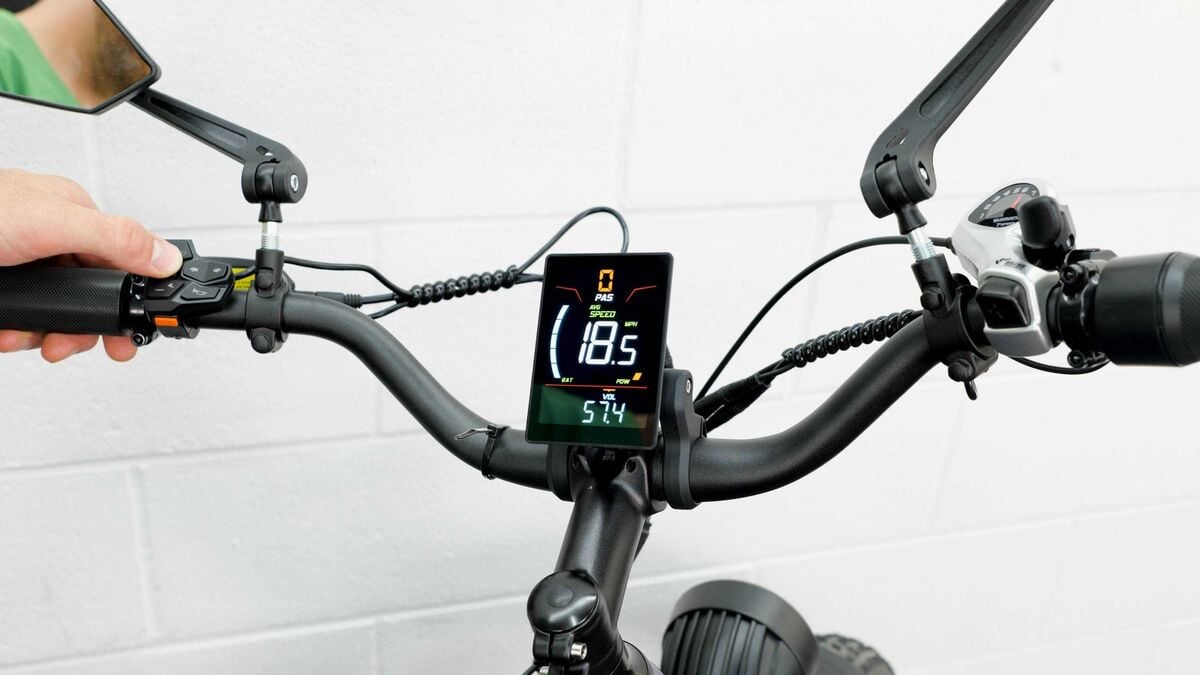
Controls and Display Ratings
The e-bike’s control panel and display are rated against written anchors for usability, ergonomics, and readability.
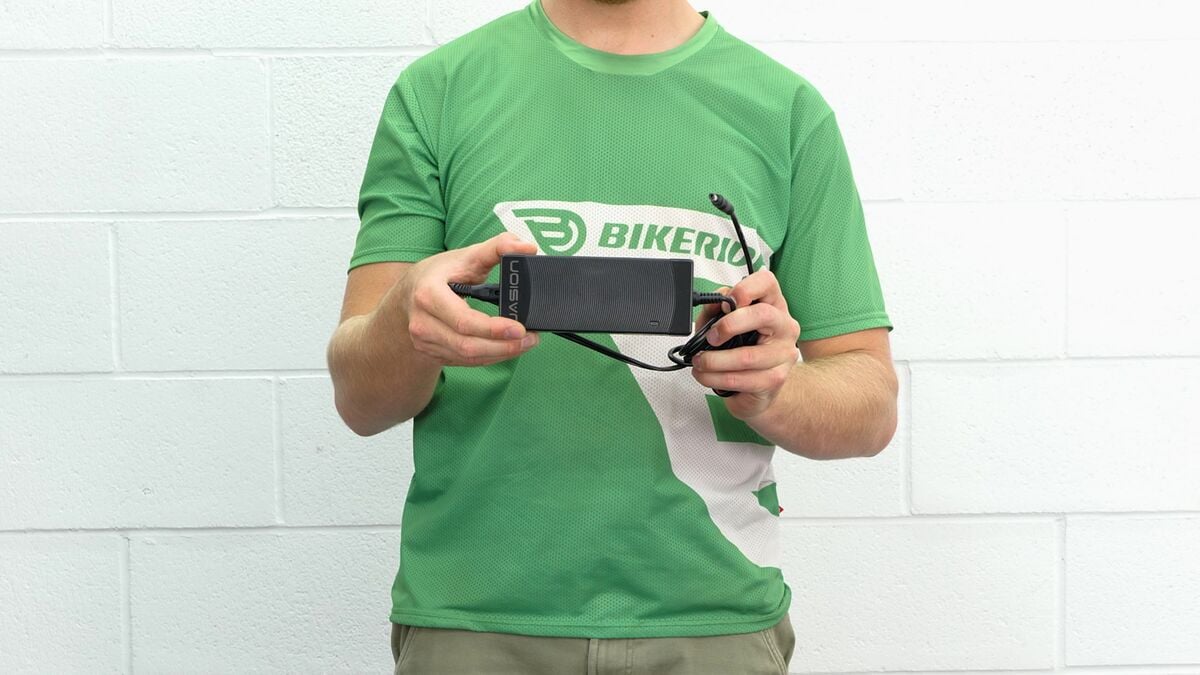
Charge Time
We calculate the minimum possible charge time from empty and compared it against the manufacturer’s claim.
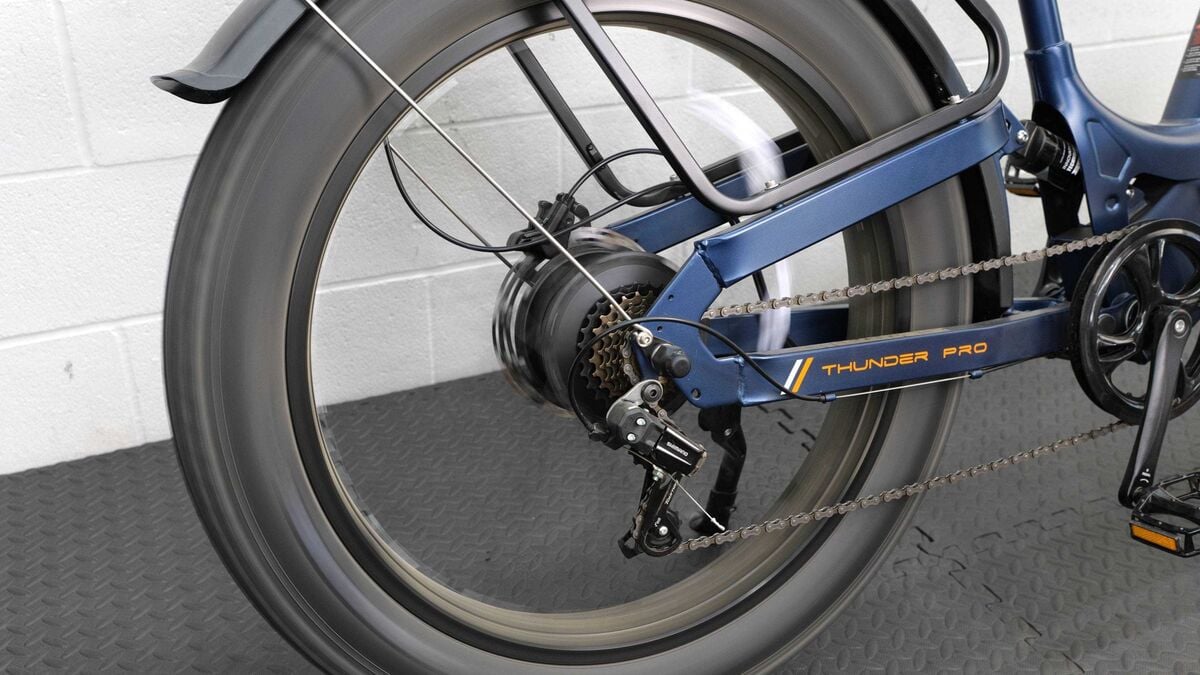
Efficiency – Wh per Mile
Computed from our own range runs. Efficiency makes bikes with different battery sizes directly comparable.
Battery Weight
When the battery is removable, it’s weighed separately. You carry it to every indoor charge, so its weight matters on its own.
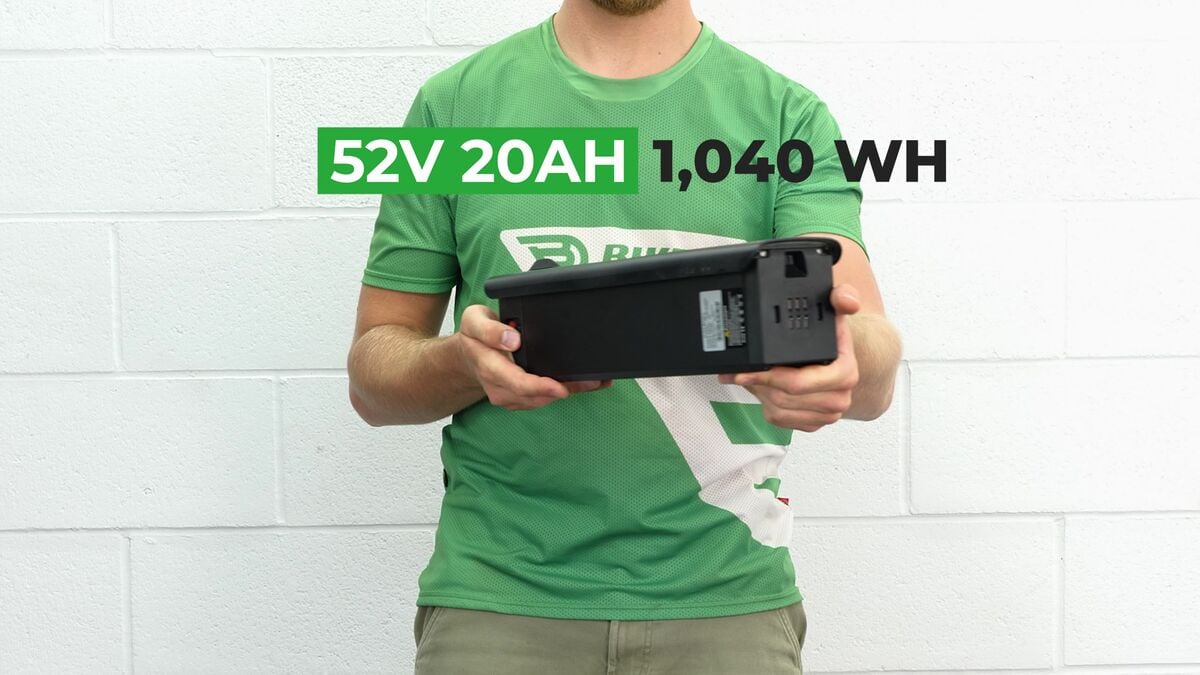
Battery Removal and Locking
If the battery is removable, we check how it locks and rate the removal and installation process against written anchors.
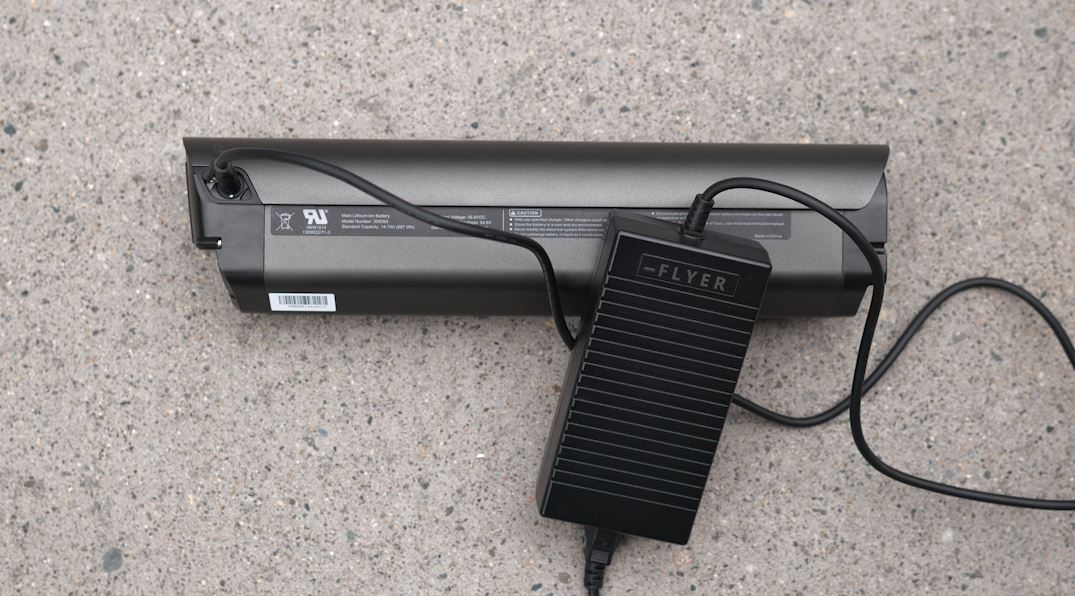
Safety Certification
We request safety certification from each manufacturer. An uncertified bike or battery is a potential fire risk.
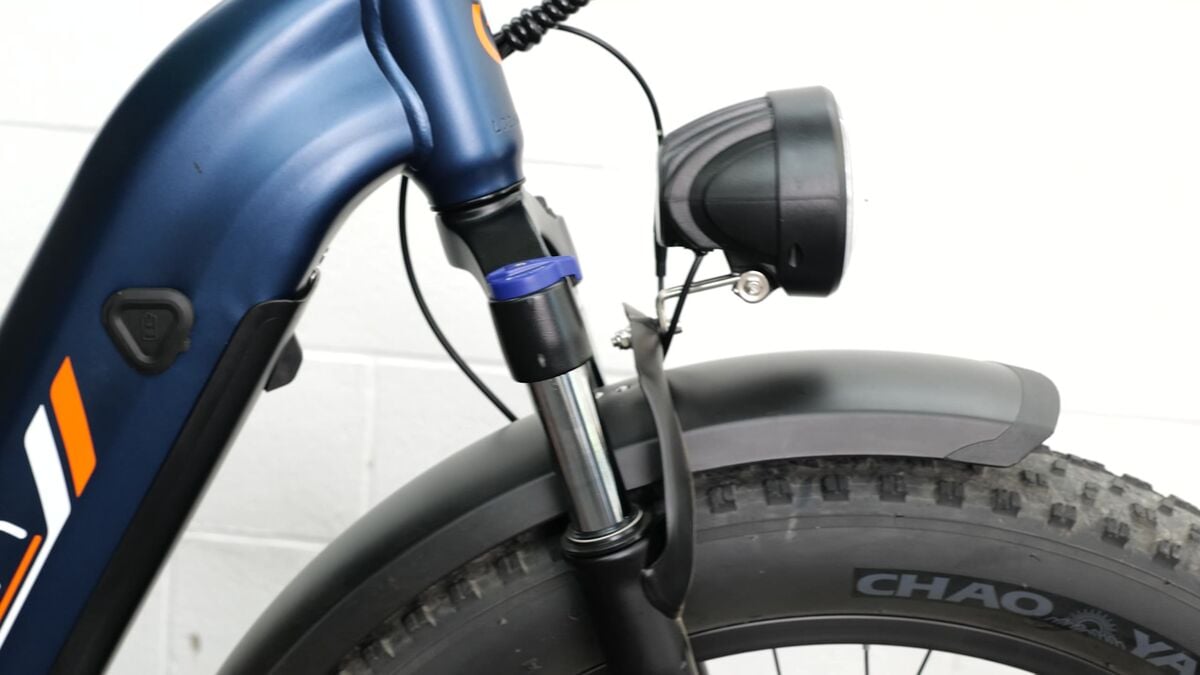
Headlight Output
Measured with a lux meter indoors at a fixed distance of 15 feet (4.6m), the same distance for every bike, so brightness claims turn into a comparable number.
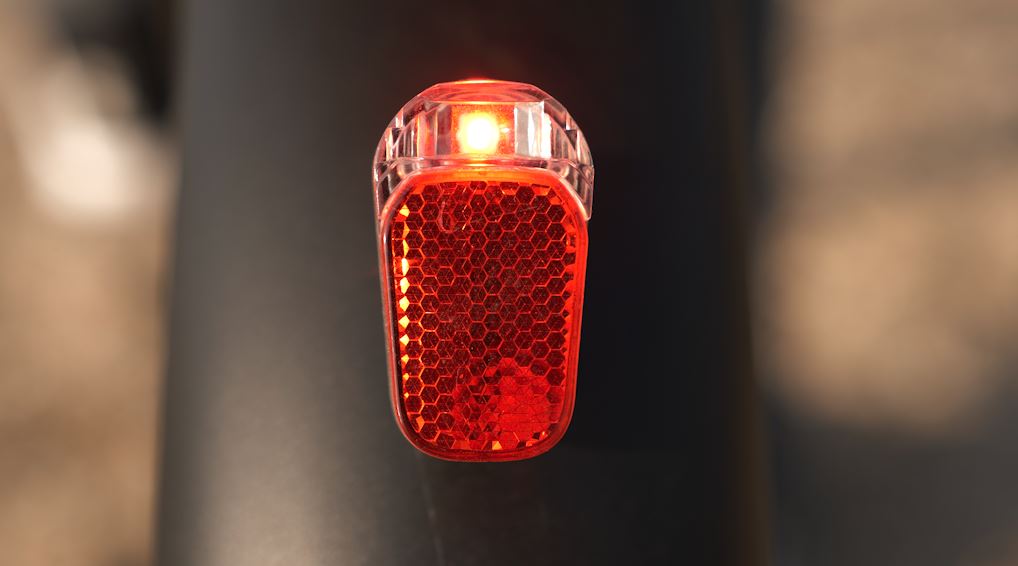
Signals, Brake Light and Reflectives
Turn signals, the brake light, and every reflective element are checked one by one, indoors in a dark room.
Different Bikes, Different Tests
A folding bike and a road bike shouldn’t be judged using the exact same tests, so the methodology is built in modules. The core tests above apply to every bike. Category modules add what matters for that type:
- Folding bikes add fold and unfold time, folded dimensions and volume, a car-trunk test, and a one-person carry test.
- Mountain bikes add suspension travel verification.
- Road bikes put more weight on weight itself, with individual components weighed.
- Cargo bikes are tested with a reasonable cargo load aboard, and the accessory ecosystem is rated against written anchors.
- Non-electric bikes skip the motor, range, and charging tests entirely.
Results are only compared between type-matched bikes, and every review states which methodology version it was tested under. When we add a test, change a course, or retire a measurement, the version number moves and the change is logged below. Older results are either re-tested or flagged as pre-change wherever they appear next to newer ones.
Ratings: Subjective but Anchored
Everything that matters to a buyer, but cannot be measured, gets a rating from 1 to 5. Every rated item has written definitions for what a 1, a 3, and a 5 mean, so a 3 means the same thing on every bike.
Only a tester who actually rode, assembled, or handled the bike may rate it. And ratings are price-independent. A $900 bike and a $4,000 bike are held to the same scale, because price enters the score only through Value.
How the In-House Score Works
Reviews tested under this methodology carry a score out of 100, built as a weighted roll-up of five pillars. Measured results score by where the bike lands against the other bikes in our database. Rated parameters contribute their anchored 1–5 ratings. Facts and context inform the text but never move the score.
Each review’s Score Breakdown section shows the five pillar scores, the exact formula, and every item that feeds them, so nothing about the number is a black box.
This in-house score is not the same thing as the BikeRide Score shown on pages of bikes we have not tested ourselves. That score aggregates expert reviews and user ratings from across the web. When we test a bike first-hand, the in-house result is the score you see.
What We Don’t Do
- Brands can’t pay for a score or a positive review, and affiliate commissions never touch scores or verdicts.
- We don’t show manufacturers a review before publication, and they cannot veto a result.
- We don’t run multi-year fleet durability tests yet. When something meaningful happens after publication, we add a dated update to the review rather than quietly editing it.
Methodology changelog
Version 1.0 · August 2026. Standardized the test battery: timed assembly and factory audit, verified weight, geometry verification, brake test, two range tests, two hill climbs, acceleration on throttle and assist, top speed and speedometer accuracy, assist engagement delay, motor noise, charge time, efficiency, headlight output, the anonymous support test, and the anchored 1–5 rating rubrics.
Future changes to tests, courses or scoring will be listed here with the version they shipped in.